Range Rover vehicles are built to deliver comfort, performance, and refinement, but they rely on precise servicing to stay that way. A Range Rover logbook service follows the factory maintenance schedule set for your specific model, ensuring the vehicle continues to perform as intended while maintaining warranty protection and resale value.
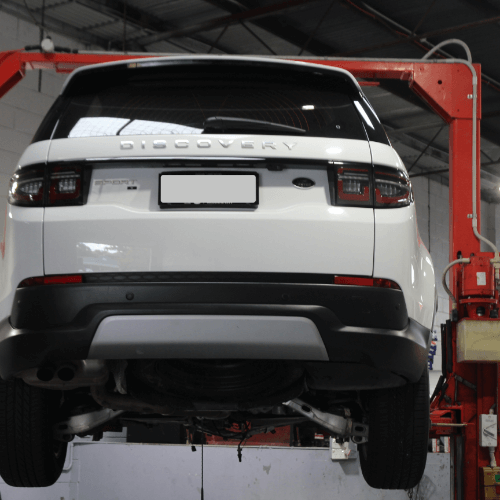
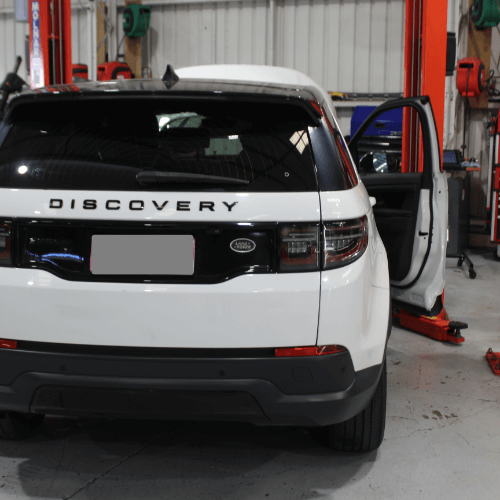
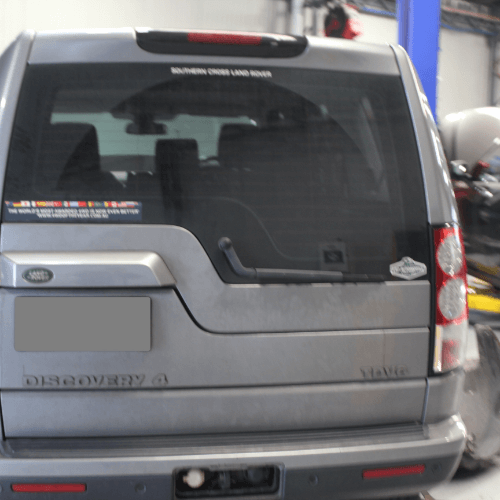
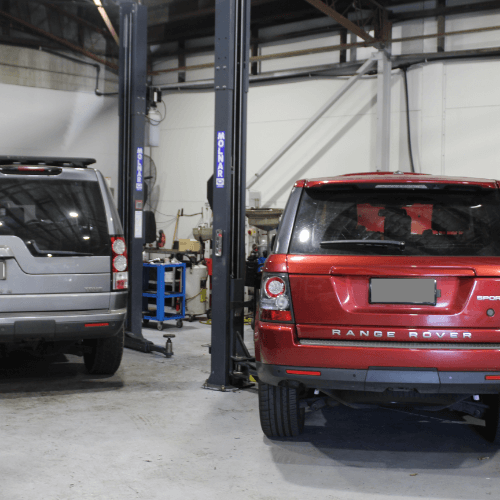
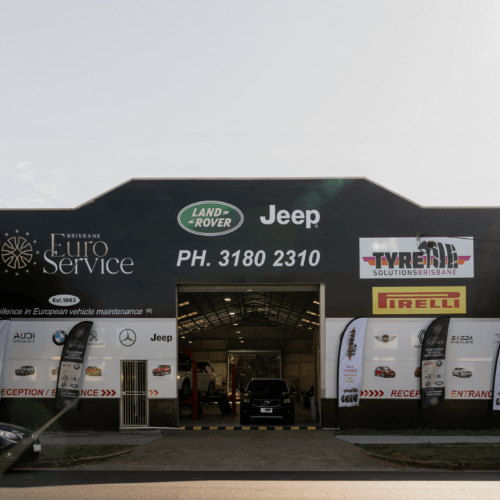
We carry out logbook servicing for the full Range Rover range in Brisbane, focusing on accuracy, correct procedures, and attention to detail rather than a generic checklist.
Range Rover logbook servicing is more than a routine oil change. Each service interval is designed around the vehicle’s technology, drivetrain, and onboard systems. This includes electronic monitoring systems, advanced suspension components, and model specific service requirements that must be followed correctly.
Servicing outside these specifications can lead to warning messages, incomplete service records, or issues that only appear later.


Each logbook service is matched to your Range Rover’s age and kilometres. Depending on the interval, servicing may include:
All servicing is documented in line with Range Rover requirements.



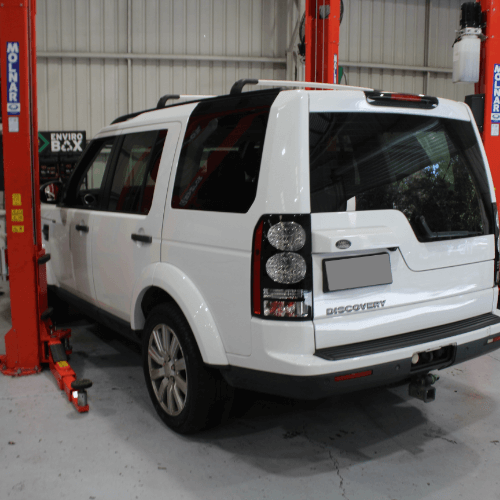
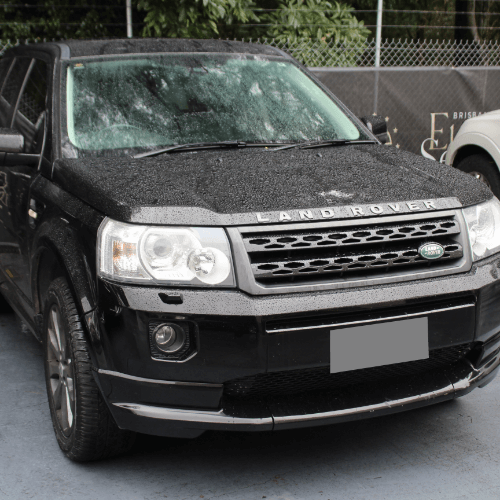
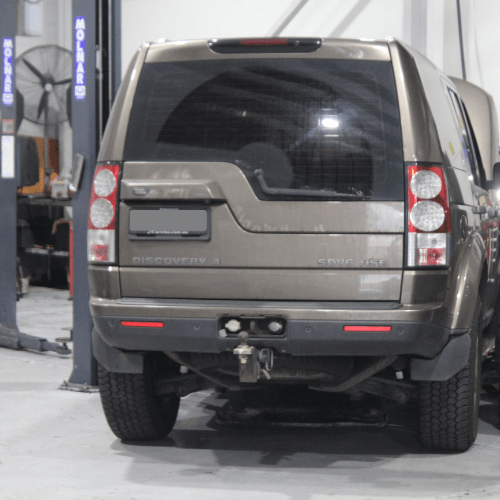






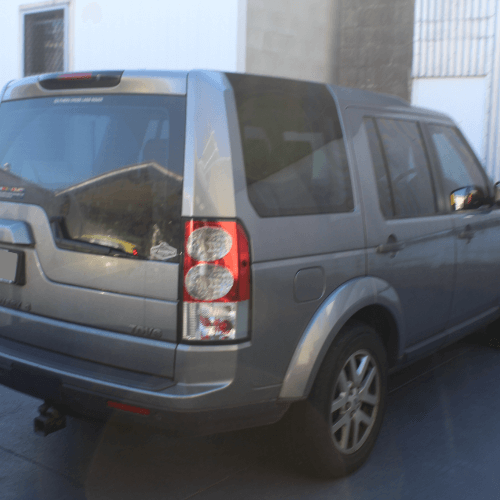
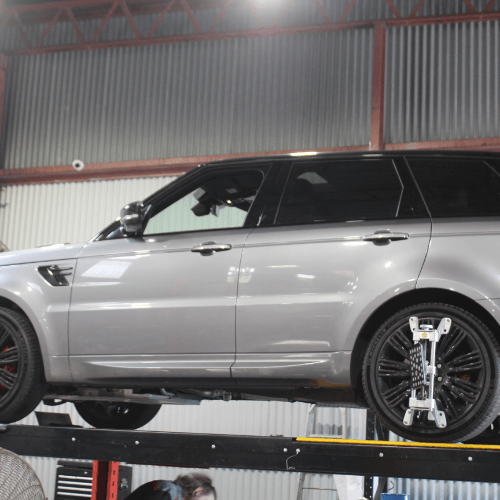
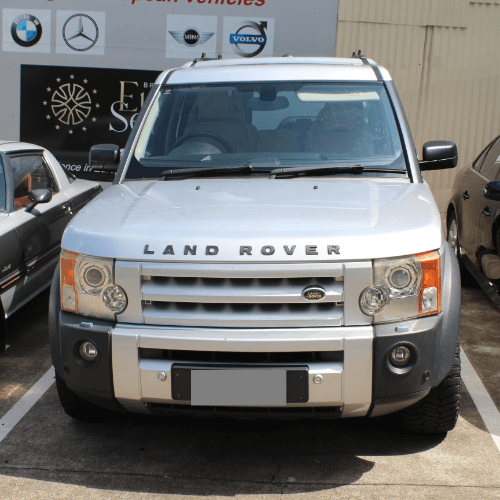
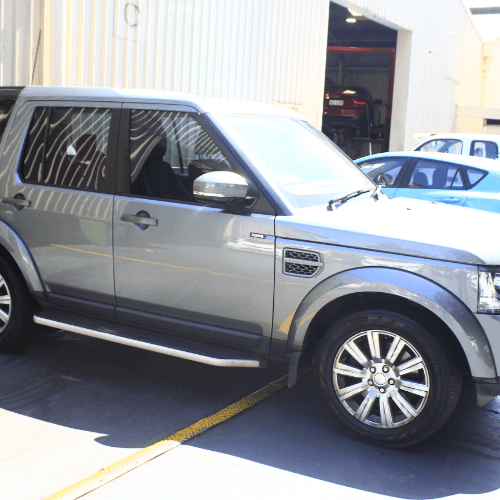





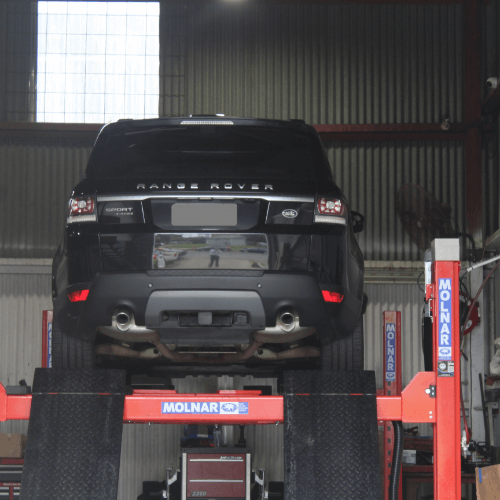
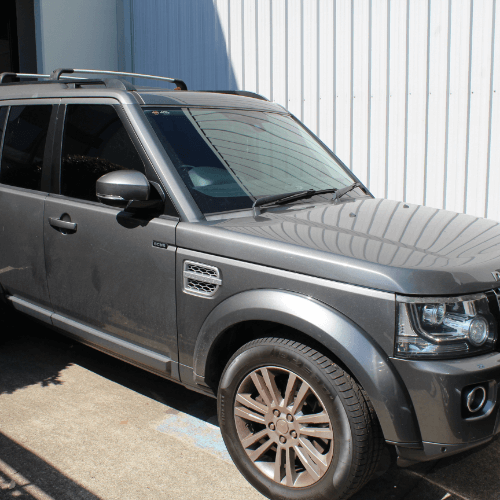
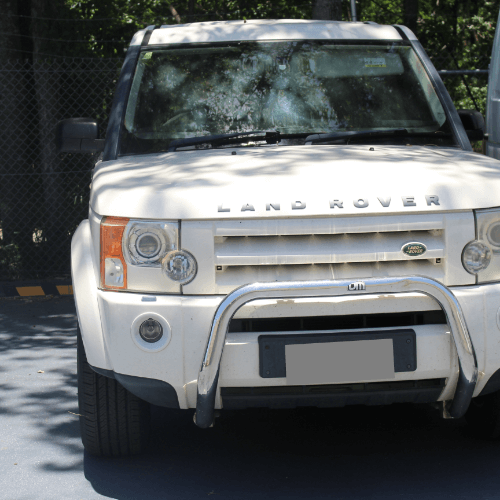
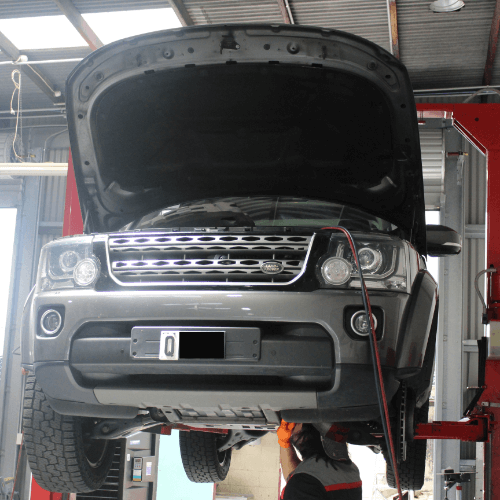
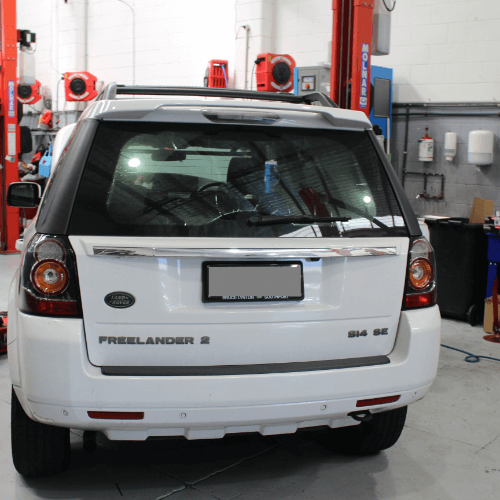
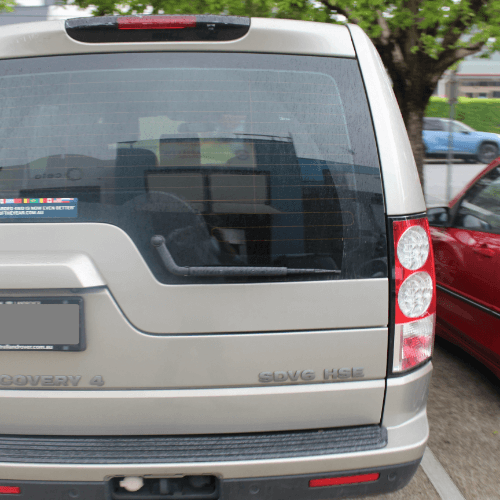
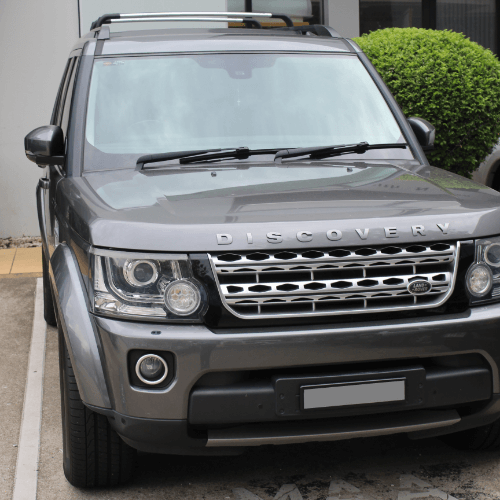

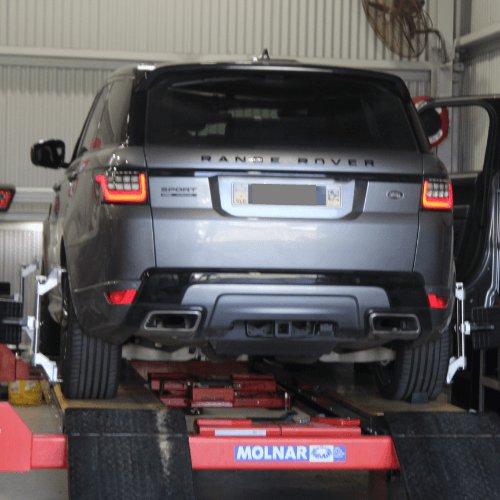
No. Range Rover logbook servicing can be completed by a qualified independent specialist without affecting your warranty, provided the service schedule is followed and suitable parts and fluids are used.
Australian consumer law supports independent servicing, giving owners flexibility without compromising coverage.


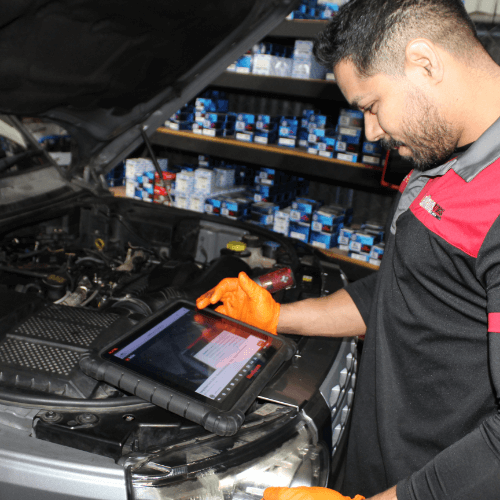
Range Rover vehicles use complex electronics and systems that require professional diagnostic equipment and brand familiarity. A specialist approach ensures servicing is carried out correctly and potential issues are identified early, rather than overlooked.
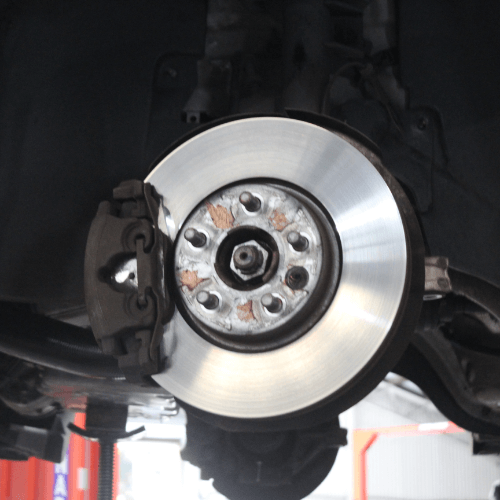
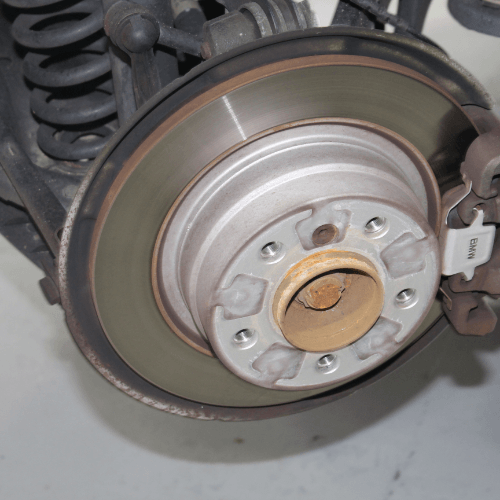
This is particularly important for vehicles with adaptive suspension, electronic parking brakes, and advanced driver assistance systems.
Most Range Rover models are serviced every 12 months or 15,000 kilometres, whichever comes first. Vehicles that do frequent short trips, urban driving, or towing may require closer monitoring between scheduled services.
Service requirements are always based on your specific model and usage, not a one size fits all approach.

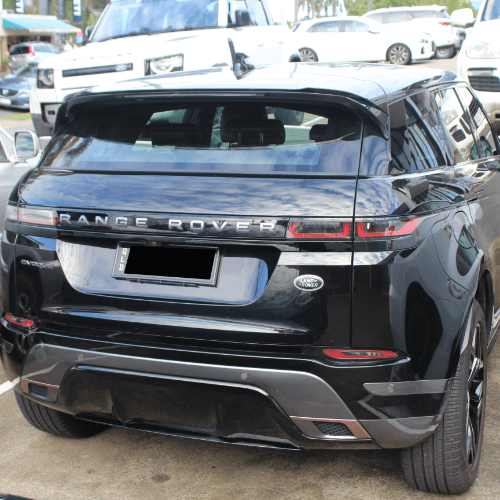
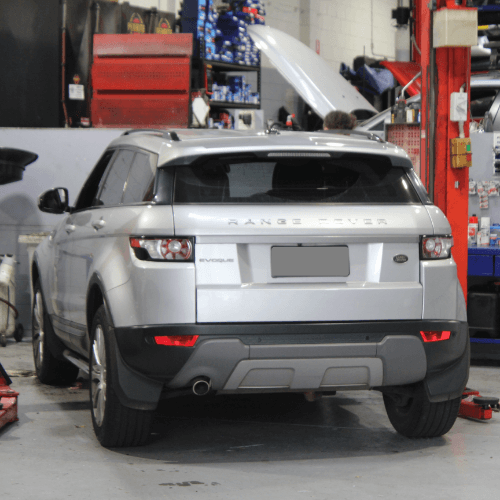
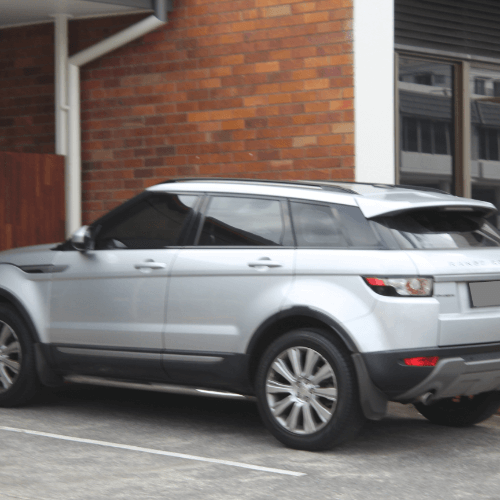
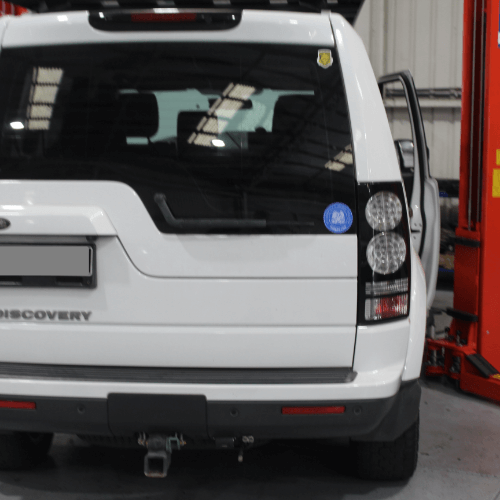
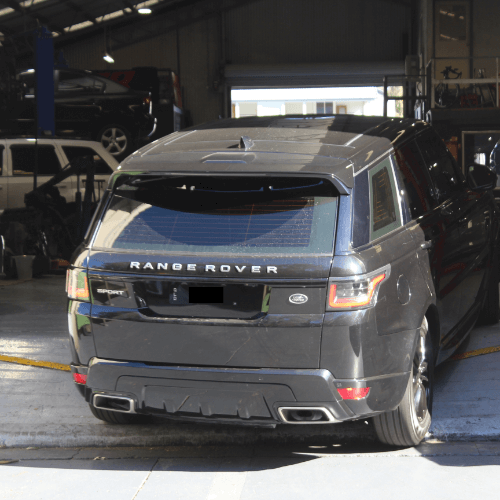
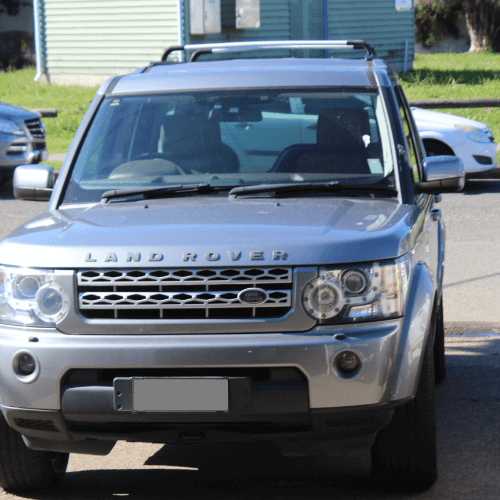
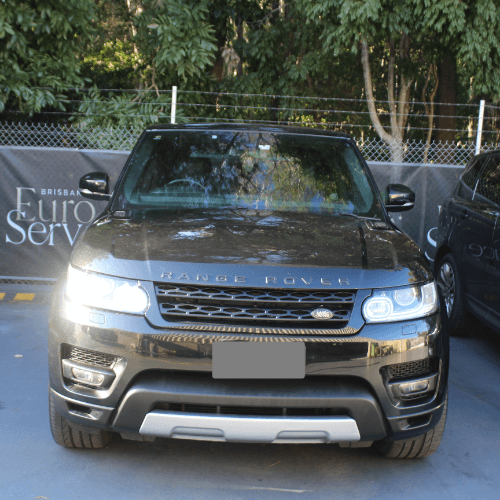
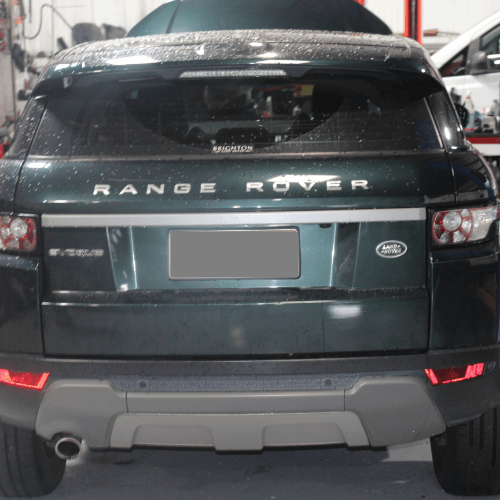
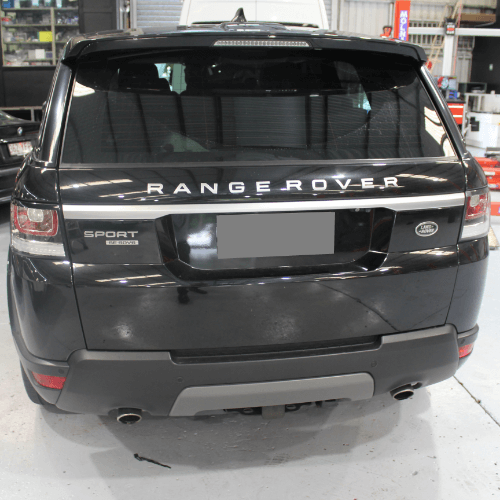
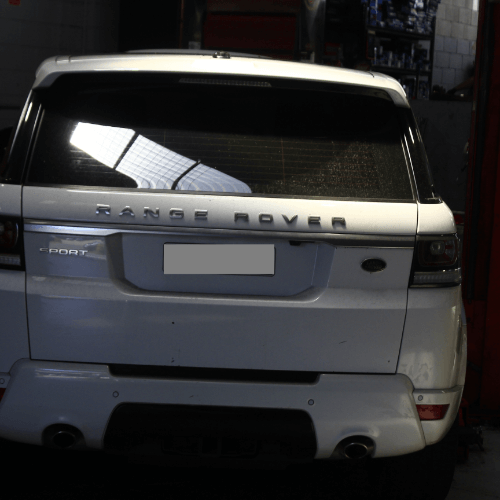
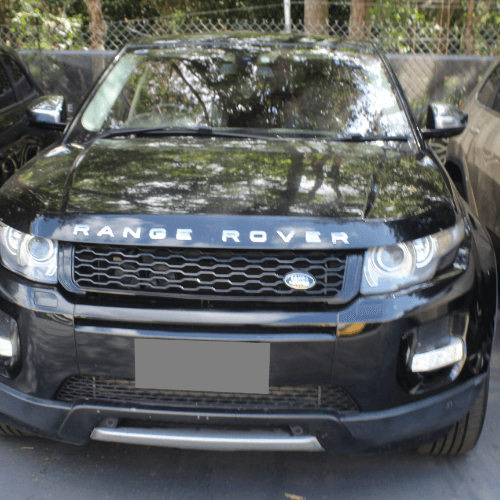
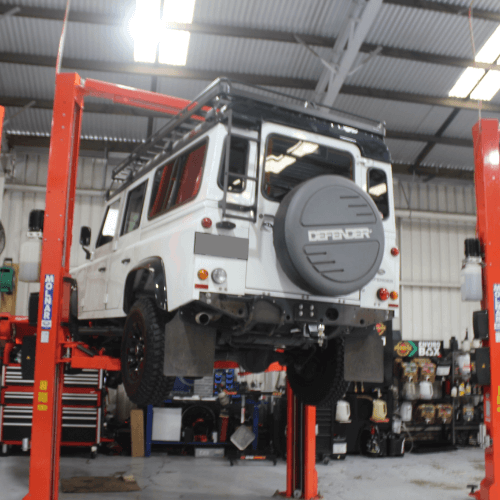
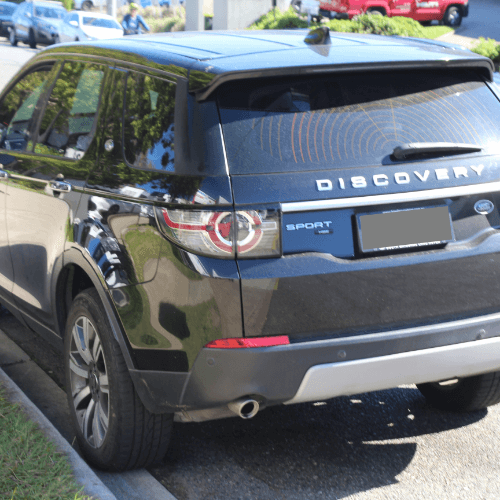
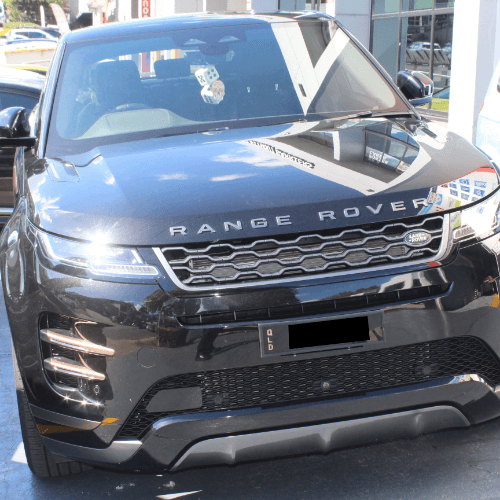
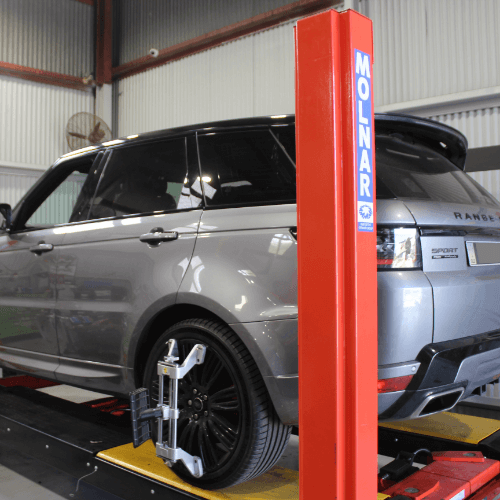
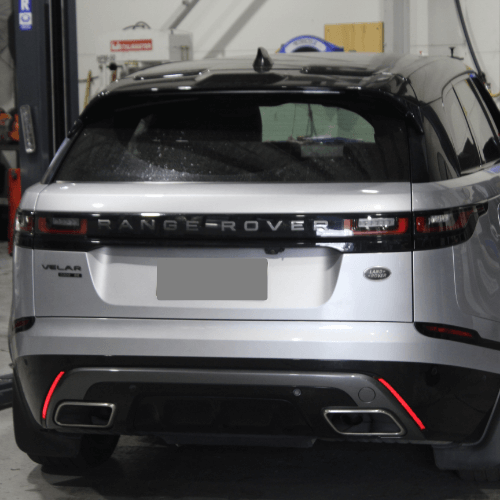
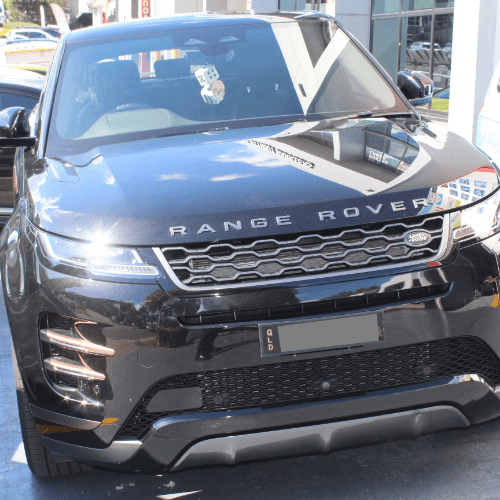
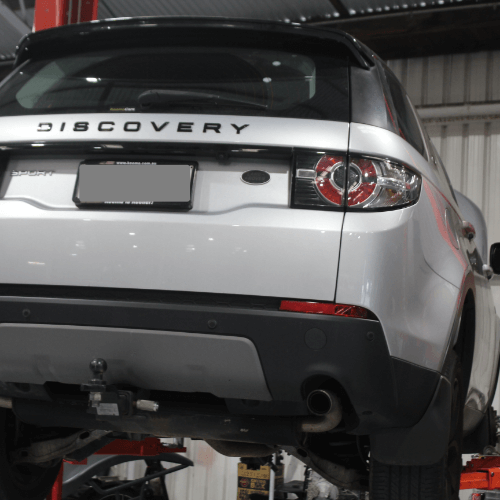
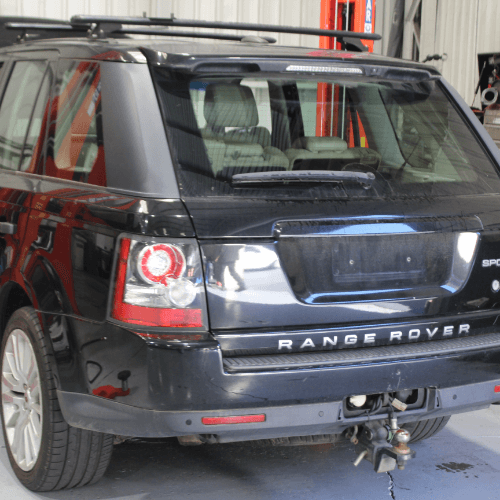
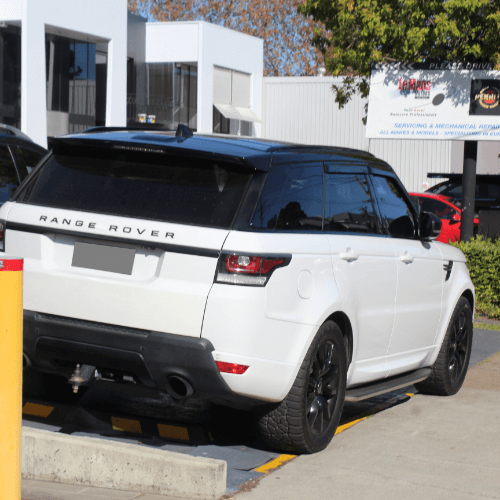
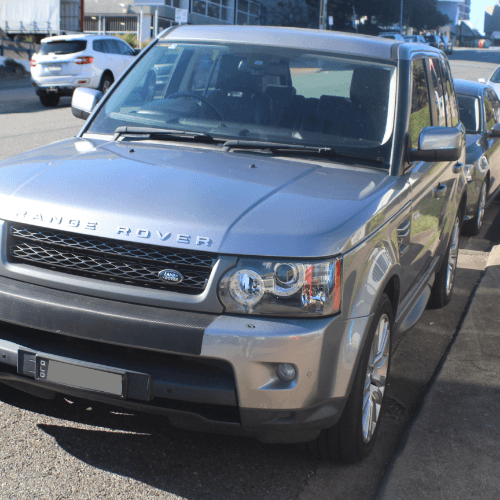
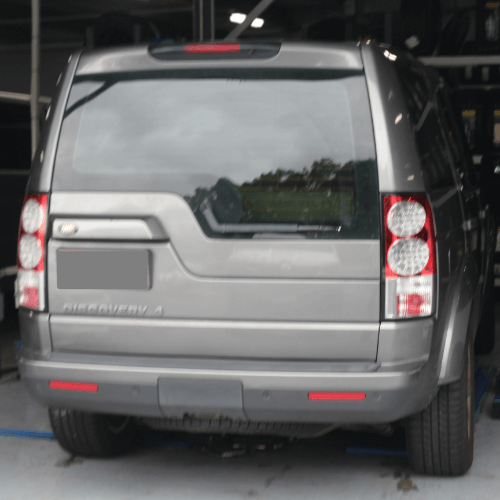
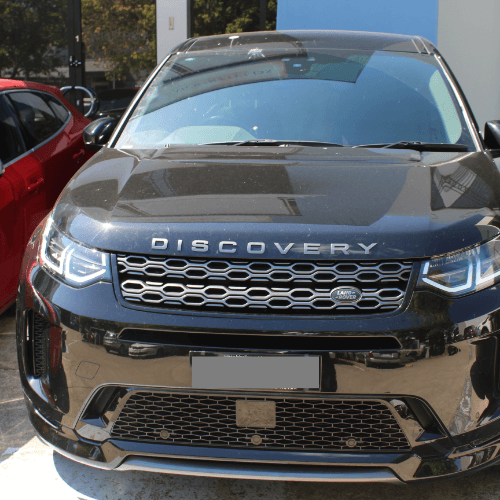
We service all Range Rover variants, including Range Rover Sport, Evoque, Velar, Vogue, and other models sold in Australia.
We’ve answered common questions our customers have about Range Rover logbook servicing below. Feel free to contact one of our workshops if your question isn’t answered here. We’d be more than happy to help.
No. A properly documented logbook service history completed to manufacturer standards supports resale value.
Yes. Service indicators and condition based reminders are reset using the correct diagnostic tools.
No. Logbook servicing is suitable for both newer and older Range Rover vehicles where the factory schedule is still being followed.
Yes. Regular inspections help identify wear early, allowing owners to plan maintenance rather than react to failures.