
Understanding service intervals is one of the simplest ways to keep a Range Rover reliable, smooth to drive, and protected long term. While many owners assume all Range Rovers follow the same schedule, service intervals can vary slightly by model, engine, and how the vehicle is used.
This guide breaks down typical service intervals across the Range Rover range and explains what owners in Brisbane should realistically expect.
General Range Rover service interval guidelines
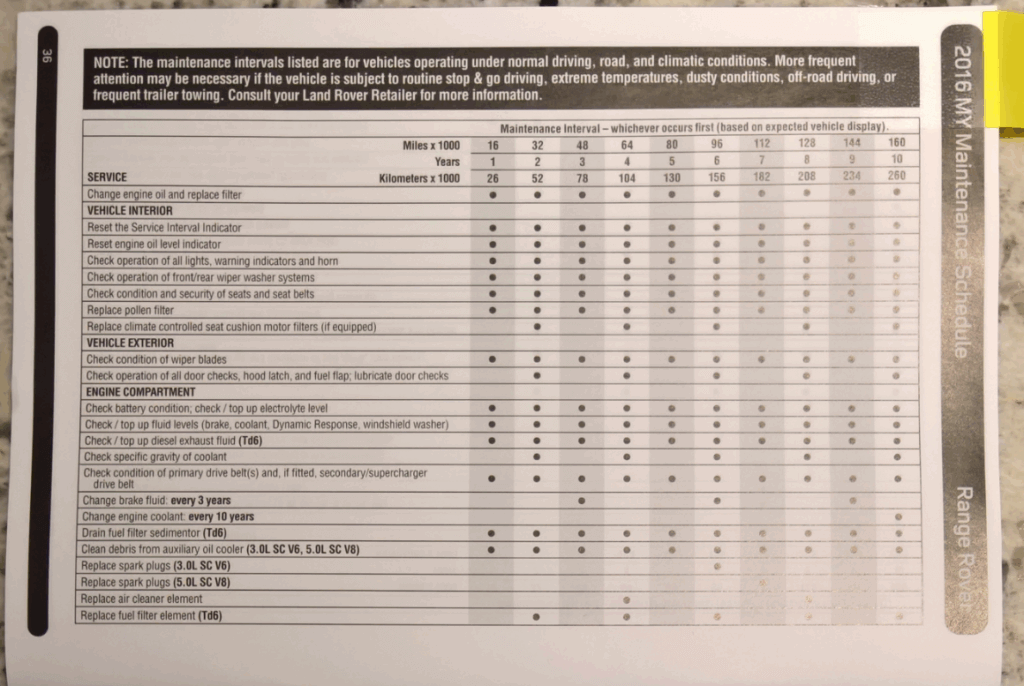
Most modern Range Rover models follow a service interval of 12 months or 15,000 kilometres, whichever comes first. This applies whether the vehicle is petrol, diesel, or mild hybrid.
However, this is a baseline only. Vehicles used for frequent short trips, urban driving, towing, or heavy loads often benefit from closer monitoring between scheduled services.

Range Rover Sport service intervals
The Range Rover Sport is one of the most commonly serviced models and typically follows the standard 12 month or 15,000 kilometre interval.
Because the Sport is heavier and more performance focused than many SUVs, items such as brakes, suspension components, and tyres often show wear earlier than expected, particularly in city driving. Regular servicing is important to identify these issues before they become costly repairs.

Range Rover Evoque service intervals
The Range Rover Evoque generally follows the same annual or 15,000 kilometre service schedule. While the Evoque is smaller and lighter than other Range Rover models, it is often used almost exclusively for urban driving.
Short trips and stop start traffic can increase wear on brakes and place extra strain on oil quality over time. Owners who drive mainly around Brisbane suburbs should be particularly mindful of sticking to time based servicing rather than waiting for kilometres alone.

Range Rover Velar service intervals
The Range Rover Velar also follows a 12 month or 15,000 kilometre service interval. The Velar sits between the Evoque and Sport in size and weight, but still uses advanced electronics and complex systems that rely on regular inspections.
Velar models benefit from consistent diagnostic checks during servicing, as many systems are electronically monitored and early faults do not always produce obvious symptoms.

Range Rover Vogue and full size Range Rover service intervals
The Range Rover Vogue and full size Range Rover models follow the same general service timing, but servicing is often more involved due to vehicle size, suspension systems, and drivetrain complexity.
These models are more likely to be used for towing or long distance driving, which can influence wear patterns. Suspension, brakes, and cooling systems should be closely inspected at each service.
Older Range Rover models and service intervals
Older Range Rover models may still follow similar kilometre and time based intervals, but servicing becomes more about condition and preventative maintenance rather than just following a schedule.
As vehicles age, seals, hoses, suspension components, and cooling system parts are more likely to deteriorate. Regular servicing helps identify these issues early, even if the vehicle is not covering large distances each year.
How Brisbane driving affects service intervals
Brisbane driving conditions can shorten effective service intervals without owners realising it. Heat, humidity, stop start traffic, and short trips all place additional stress on oils, fluids, and braking systems.
Vehicles that are rarely driven on longer highway trips may need closer monitoring, even if they are technically within the recommended kilometre range.
Time based servicing vs kilometre based servicing
Many owners focus only on kilometres, but time based servicing is just as important. Engine oil, brake fluid, and other consumables degrade over time, even if the vehicle is not driven frequently.
If your Range Rover has not reached the kilometre threshold but is due by time, servicing should not be delayed.
What is checked during a Range Rover service
A proper service includes more than an oil change. Depending on the interval, servicing may include inspections of brakes, suspension, steering, tyres, cooling system components, electronic systems, and service indicators.
These checks are particularly important on Range Rovers due to vehicle weight and system complexity.
How service intervals relate to brake wear
Brake inspections form a key part of routine servicing. Many Range Rover owners first discover brake wear during a scheduled service rather than through warning lights or noise.
If you would like more detailed information about brake inspections and replacement, you can also view our
Range Rover brakes Brisbane page.
The takeaway for Range Rover owners
Most Range Rover models follow a 12 month or 15,000 kilometre service interval, but real world usage matters just as much as the official schedule. Urban driving, towing, and vehicle age all influence how often a vehicle should be checked.
Sticking to regular servicing helps protect performance, reliability, and long term ownership costs. If you want to understand what is included at each interval, our Range Rover logbook service Brisbane page explains how servicing is matched to your specific model and usage.