Range Rover suspension is designed to deliver a quiet, composed ride while managing the size and weight of a luxury SUV. When the suspension is working properly, the vehicle should feel planted, level, and controlled regardless of road surface. When it is not, the change is usually noticeable very quickly.
We provide specialist suspension repairs for Range Rover vehicles in Brisbane, with a focus on restoring ride quality, stability, and confidence behind the wheel.
Suspension issues on Range Rovers often show up as a change in feel rather than an obvious failure. Drivers commonly describe the vehicle as feeling floaty at speed, unsettled over bumps, or less stable when braking or cornering.
In other cases, the symptoms are more obvious. The vehicle may sit unevenly, drop at one corner after being parked, or display messages relating to ride height or restricted suspension operation. These signs usually indicate the system is compensating for a fault rather than operating normally.
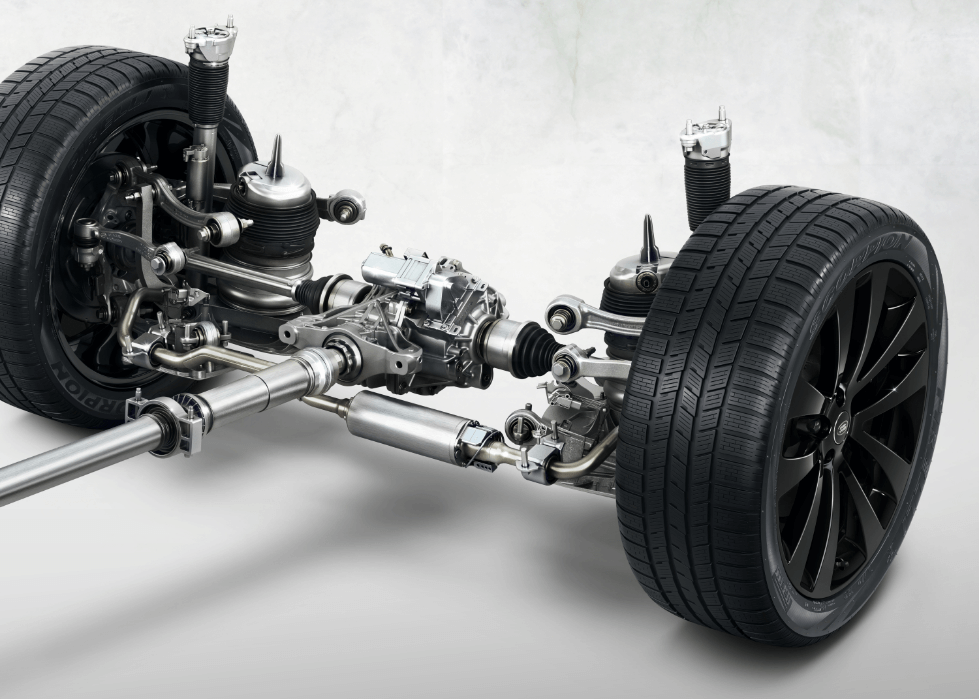


Many Range Rover models use electronically controlled air suspension to balance comfort and control. This system constantly adjusts ride height and stiffness based on speed, load, and driving conditions.
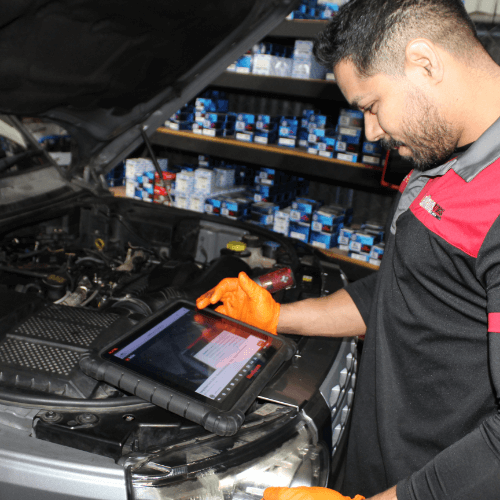
Because the suspension is electronically managed, a single worn or failing component can affect the entire system. Mechanical wear, air leaks, sensor faults, or compressor issues can all produce similar symptoms, which is why accurate diagnosis is essential before repairs begin.

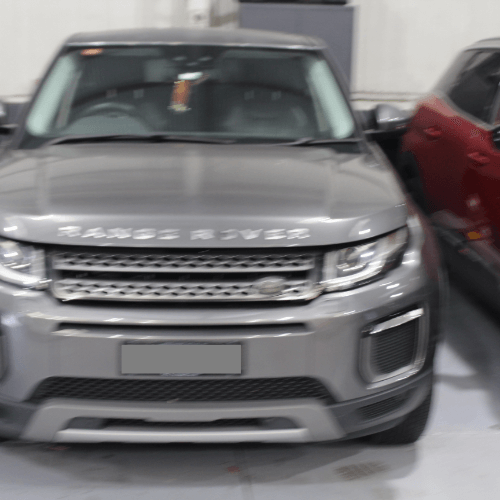
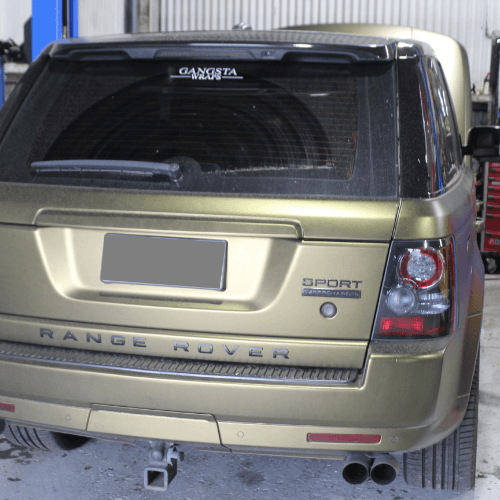
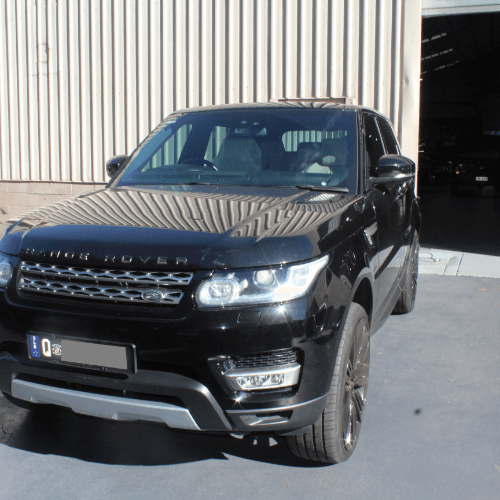
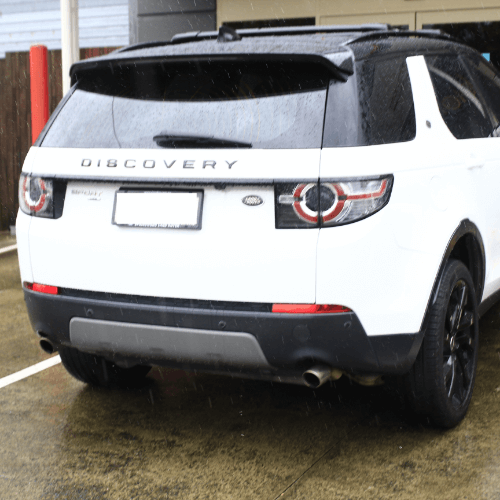
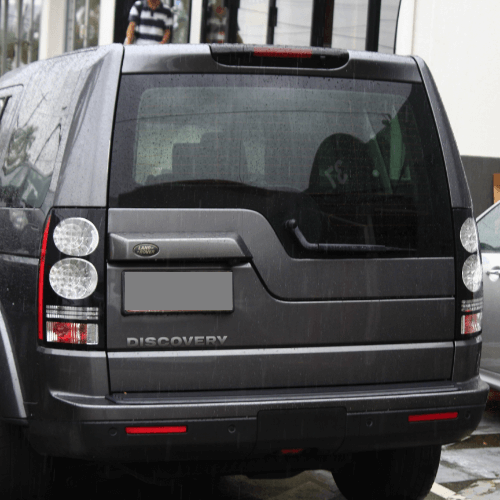
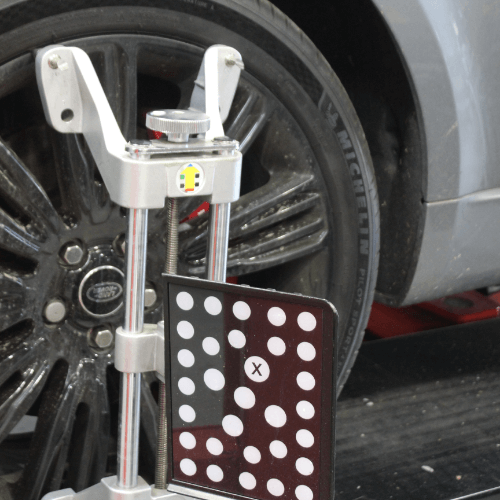

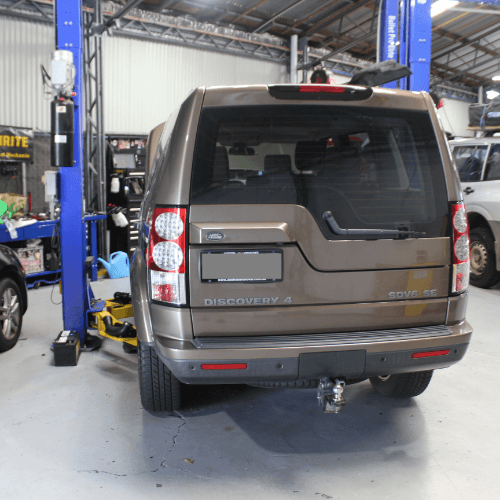

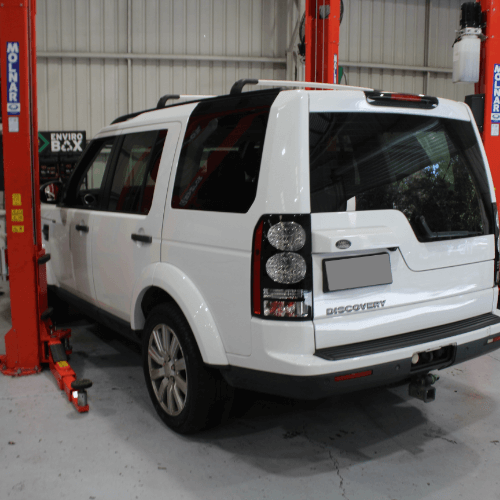
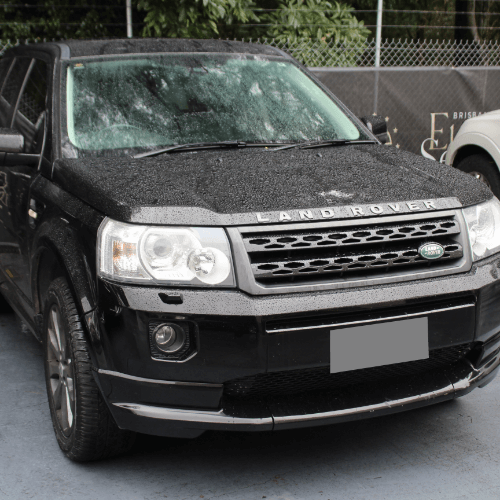
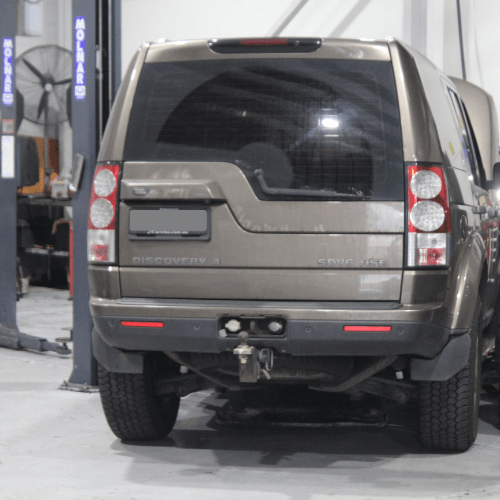
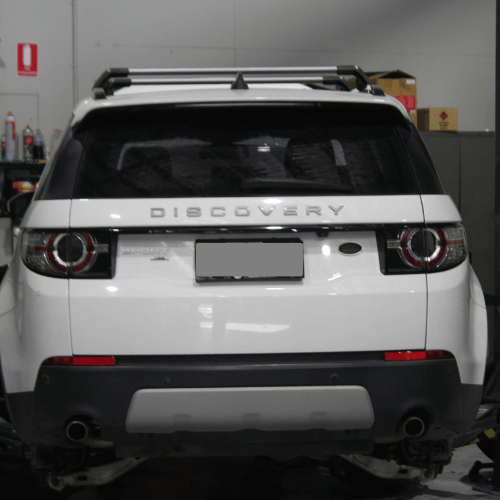

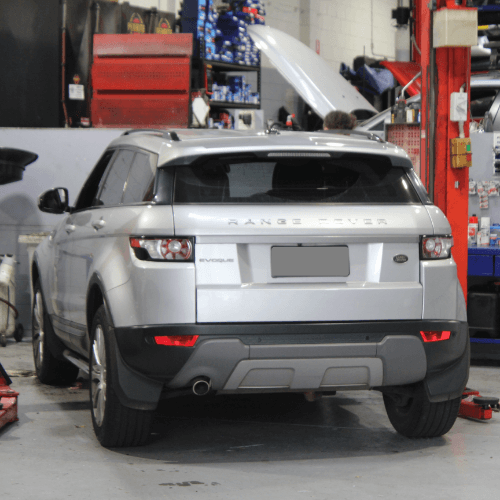
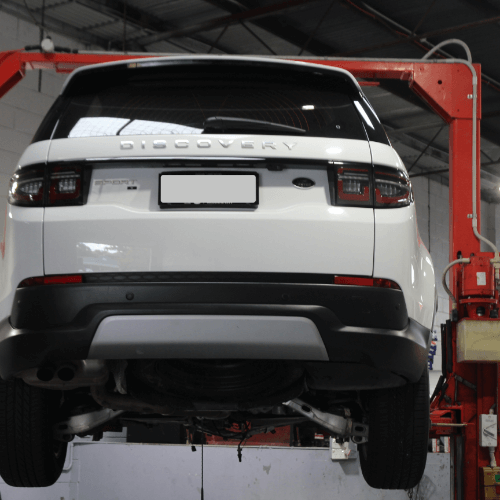
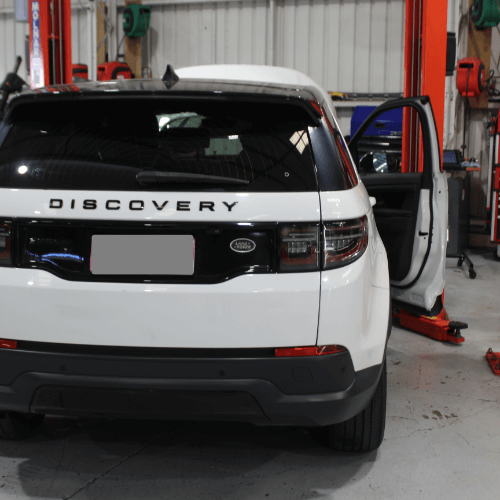

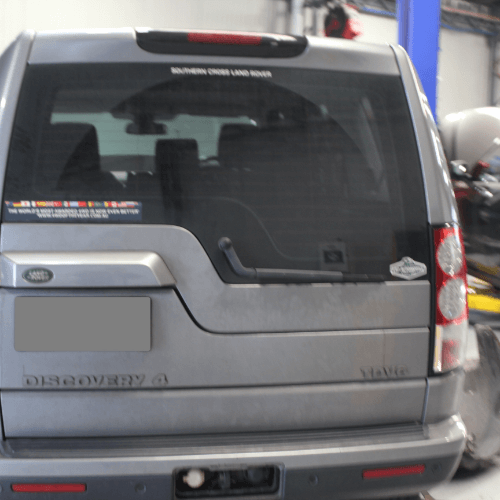
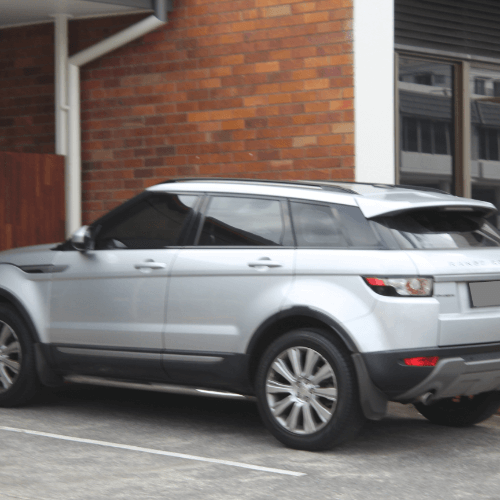
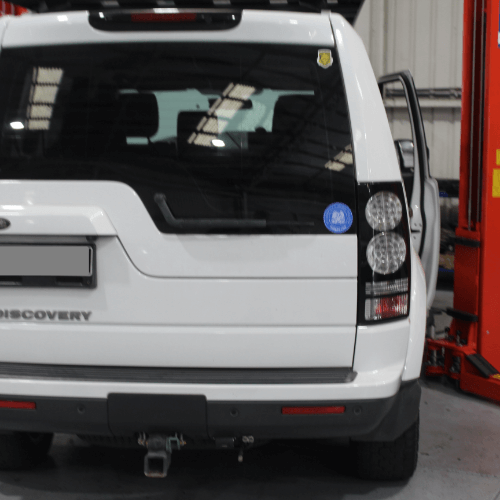

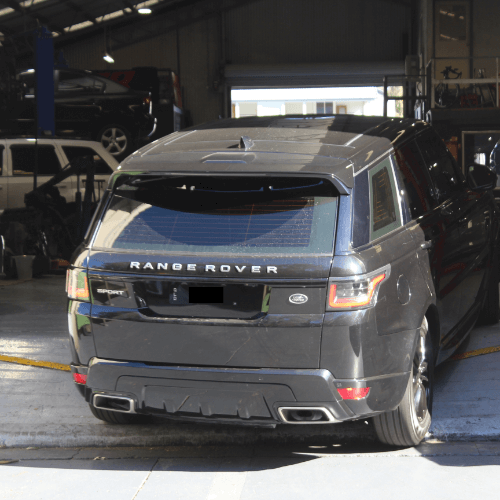
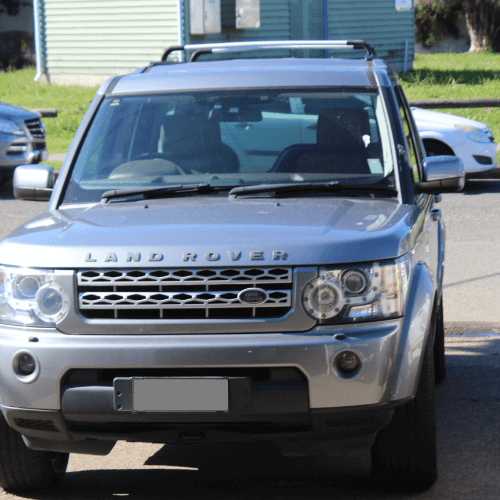
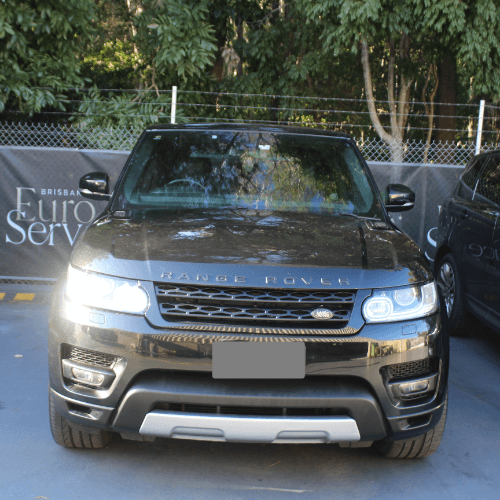
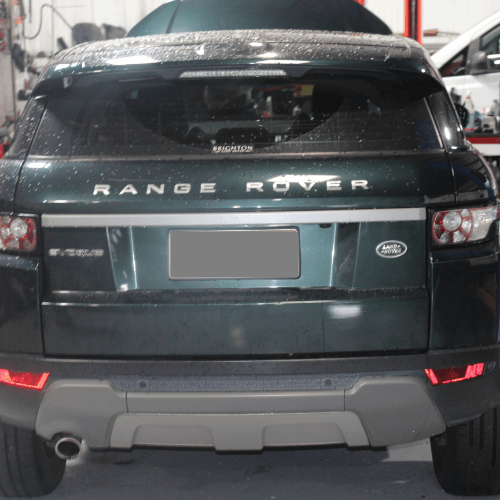

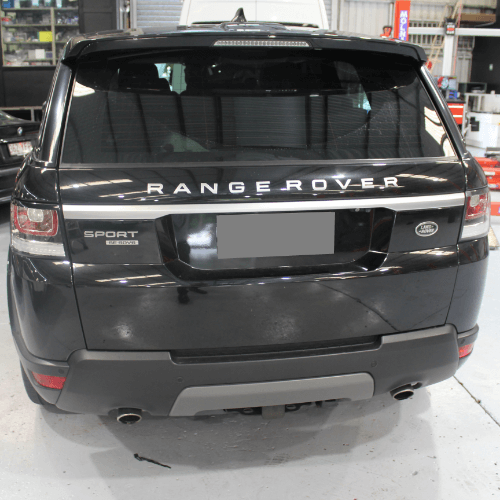
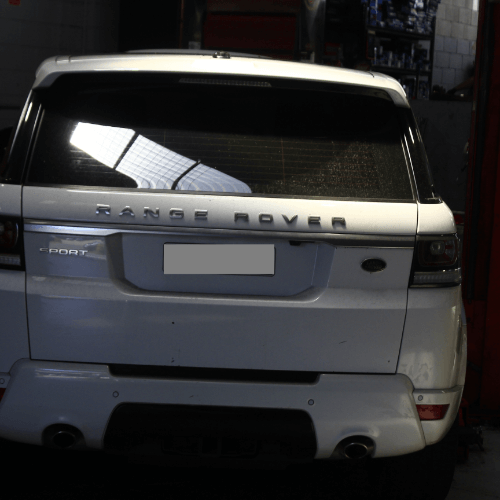
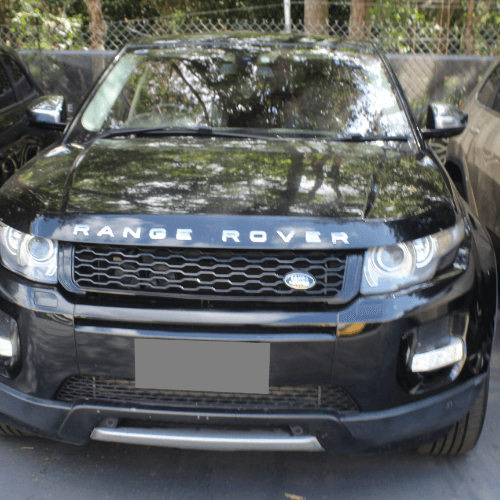
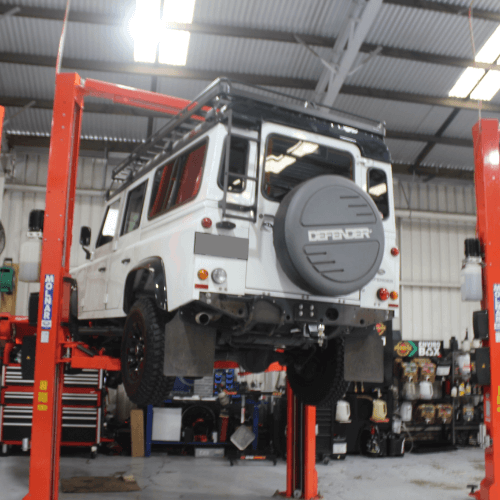
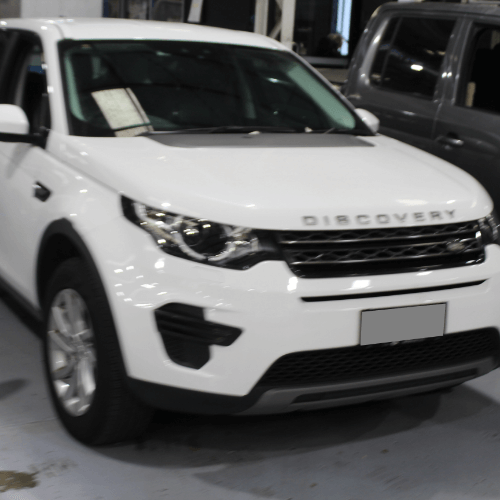
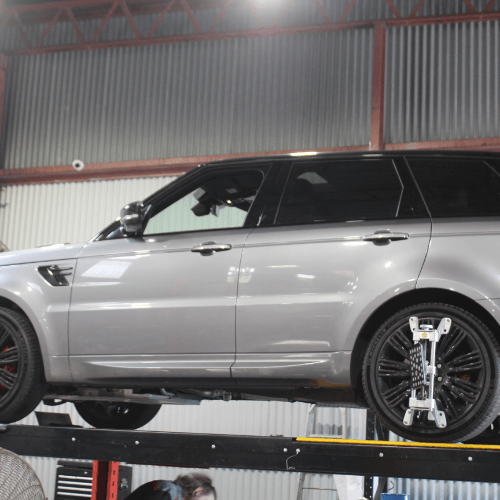
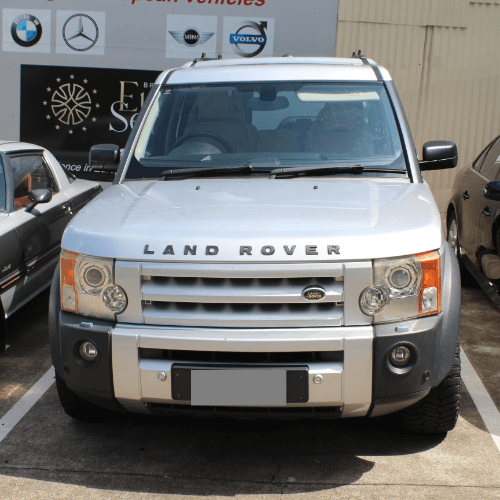


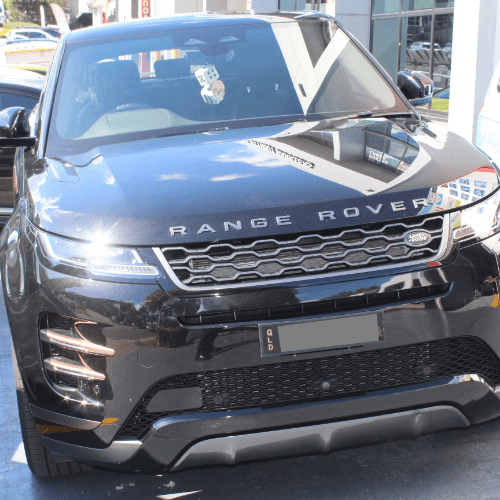
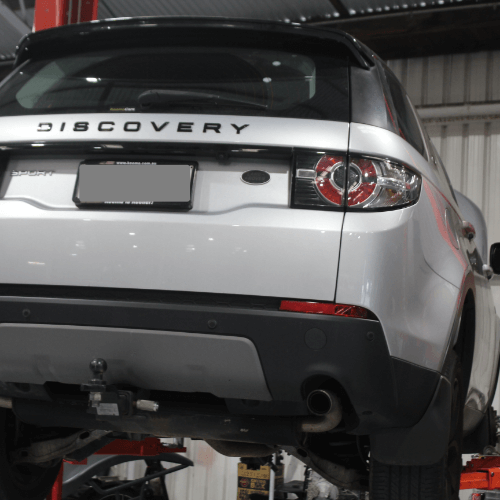
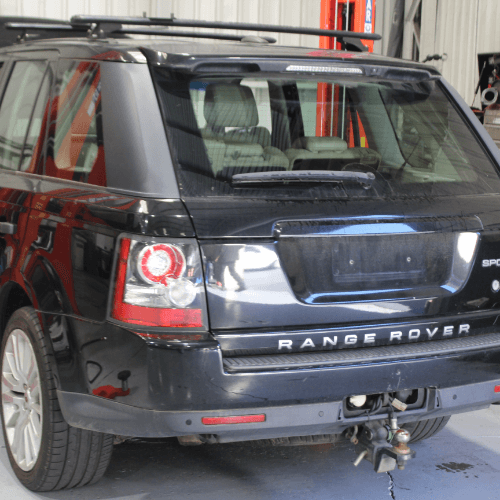
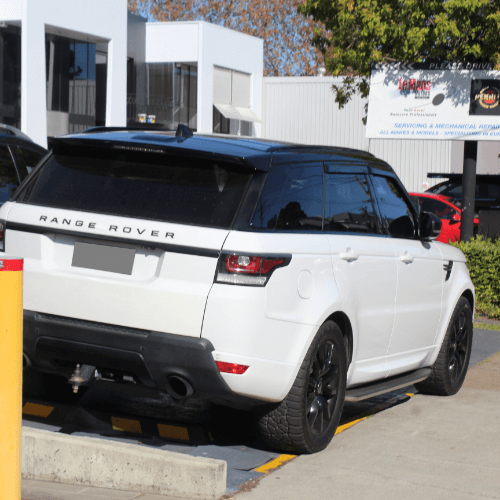
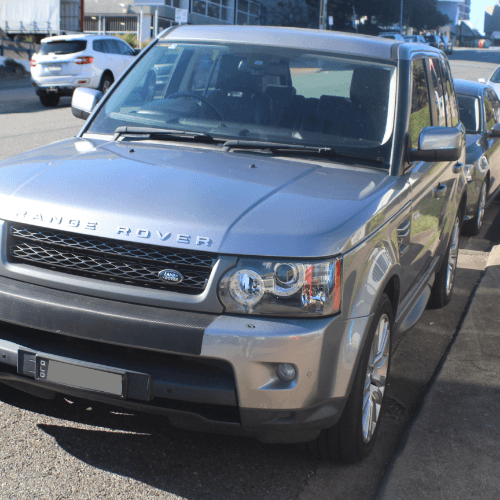
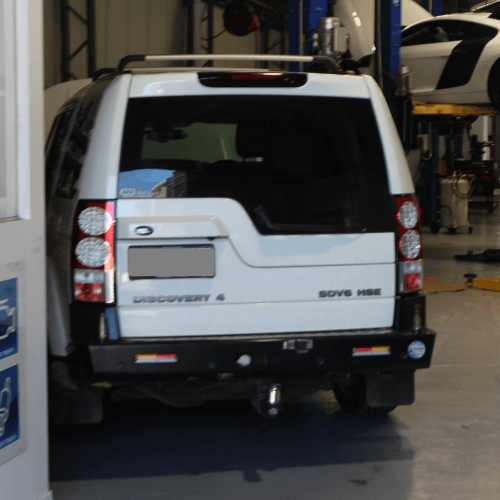
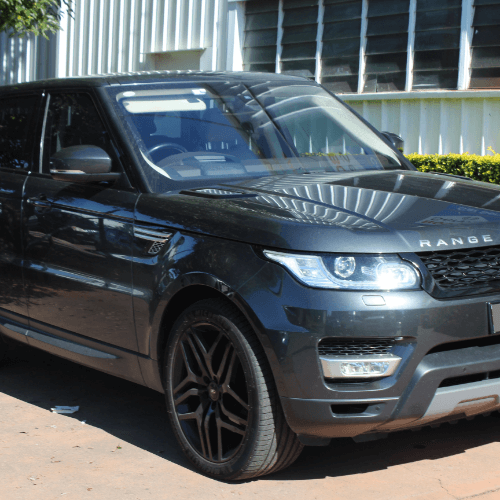
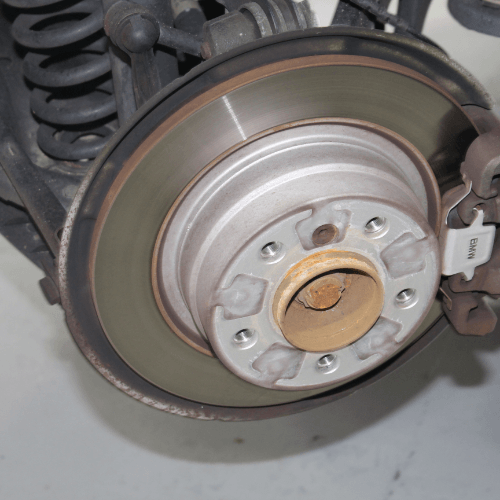

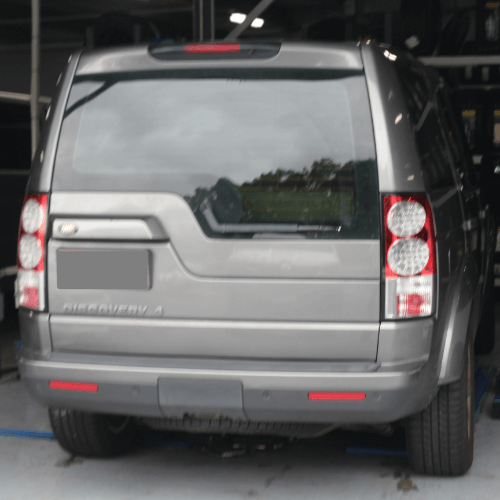
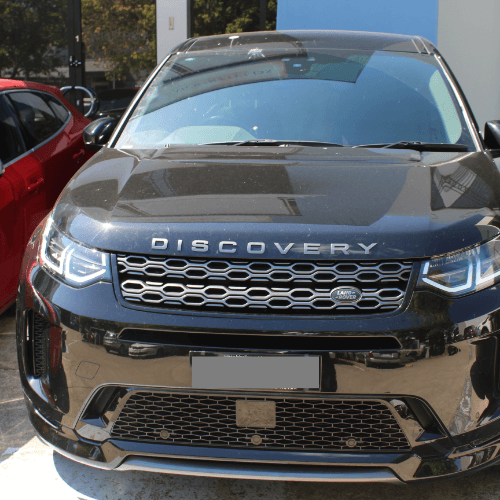
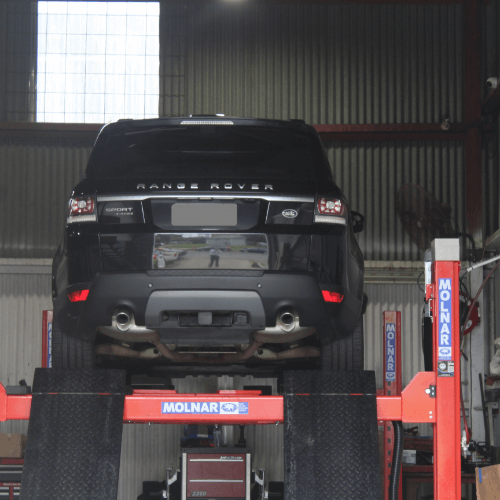
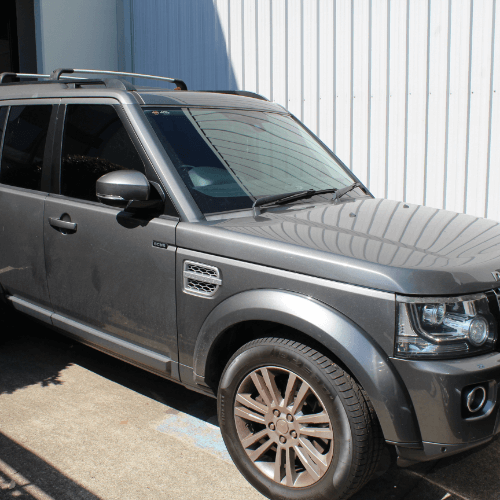
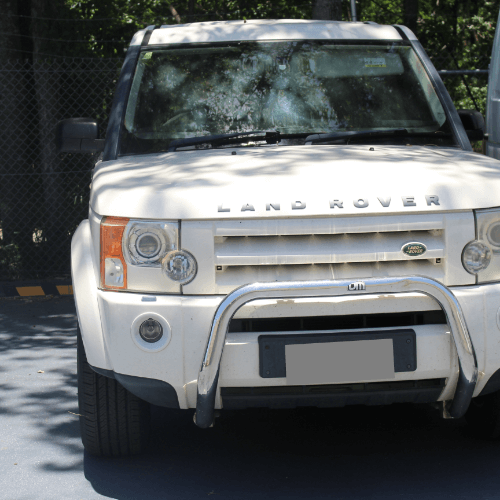
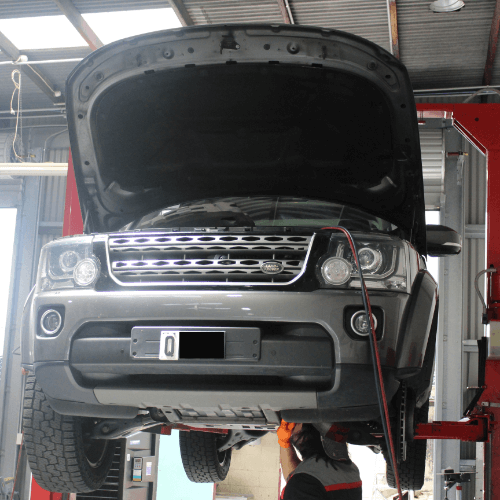
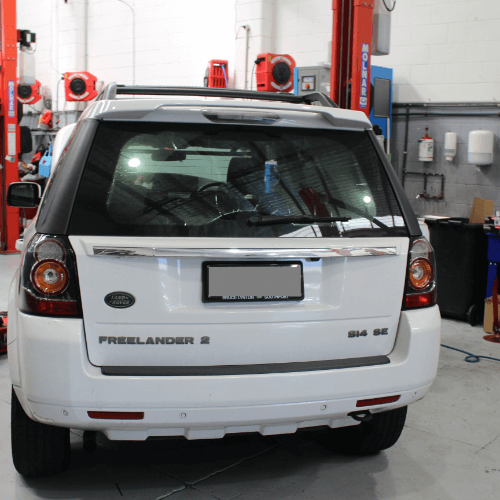
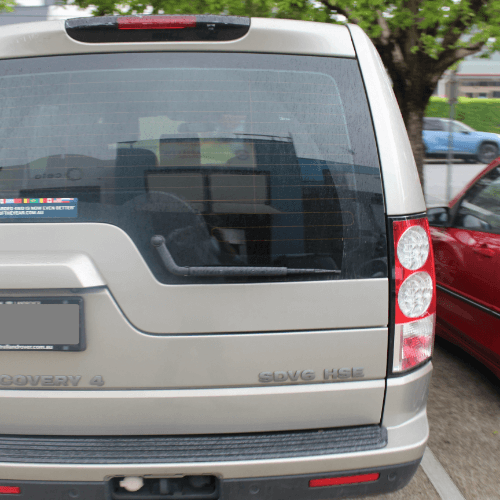
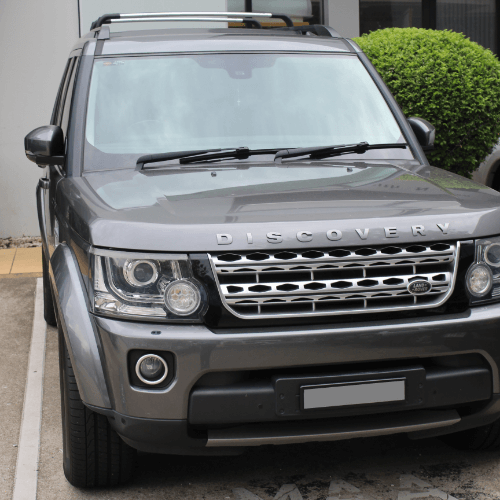
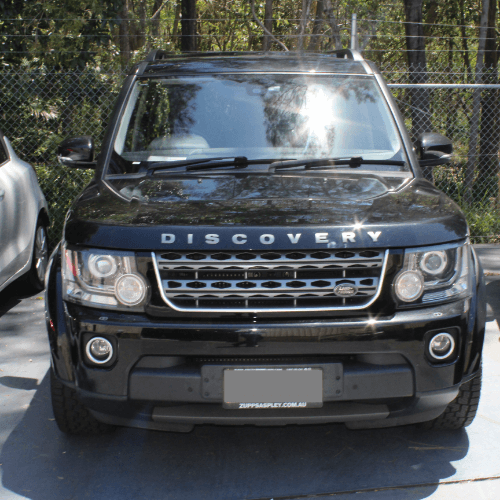
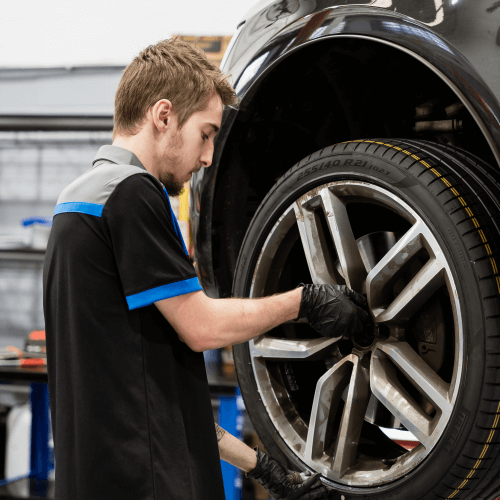
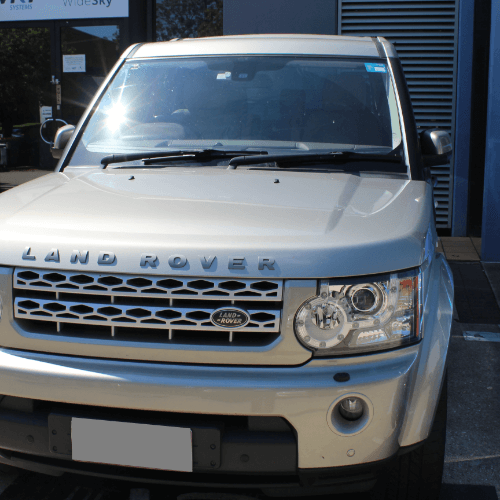
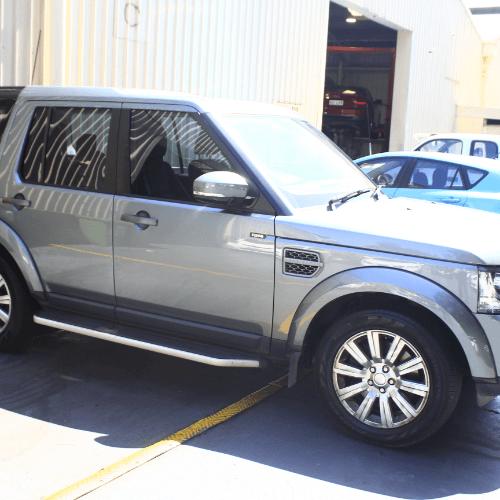

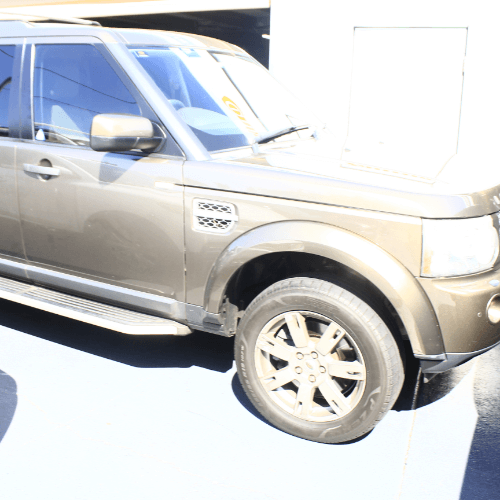
Air suspension issues can develop gradually or appear suddenly. Common concerns include slow height changes, suspension warnings on the dashboard, or the vehicle lowering overnight.
Rather than replacing parts based on guesswork, suspension faults should be diagnosed systematically. Identifying whether the issue lies with air struts, height sensors, compressors, or control modules avoids unnecessary cost and repeat repairs.


Not all Range Rover suspension issues are electronic. Over time, mechanical components such as control arms, bushes, and ball joints wear due to vehicle weight, road conditions, and driving style.
Worn mechanical components can cause knocking noises, vague steering response, and uneven tyre wear. Addressing these items restores the tight, controlled feel the vehicle is designed to have.
Suspension condition has a direct impact on how a Range Rover handles and how tyres wear. A vehicle that no longer tracks straight, feels unstable under braking, or chews through tyres unevenly often has underlying suspension wear rather than a simple alignment issue.
Suspension repairs are approached with the overall vehicle dynamics in mind, not just the failed component.
When a Range Rover displays suspension related warnings, it is often operating in a reduced or protective mode. While the vehicle may still be driveable, ride comfort and handling are usually compromised.
Ignoring these warnings can place additional strain on remaining components and increase repair costs over time. Early inspection helps prevent small issues from escalating.
Suspension repair costs vary depending on the model, suspension type, and the components involved. Air suspension repairs differ significantly depending on whether the fault is mechanical, pneumatic, or electronic.
After inspection and diagnosis, clear recommendations and upfront pricing are provided so you can make informed decisions about the next steps.
These questions cover the most common concerns Range Rover owners have when suspension issues arise. While some symptoms can seem minor at first, suspension faults can affect ride comfort, handling, tyre wear, and overall safety if left unaddressed. Understanding how Range Rover suspension systems work helps you make informed decisions about inspection and repair when issues appear.
If your Range Rover feels unsettled over bumps, sits unevenly, or is showing suspension related warnings, it may be time for a professional inspection. A thorough suspension check can identify worn or failing components early and help return the vehicle to the smooth, controlled driving experience it was designed to deliver.