Range Rover vehicles are built around advanced electronic systems that constantly monitor performance, safety, and comfort. When something is not operating as intended, the vehicle will often display a warning light, fault message, or change the way it drives. Proper diagnostics are essential to understand what the vehicle is reporting before any repairs are considered.
We provide specialist diagnostic inspections for Range Rover vehicles in Brisbane, focusing on clear fault identification and accurate decision making rather than assumptions.
Range Rovers rely on multiple control modules that communicate with each other in real time. Systems such as suspension, braking, drivetrain, climate control, and driver assistance are all electronically managed.
Because these systems are interconnected, a single fault can sometimes trigger multiple warnings. Diagnostic testing allows the underlying cause to be identified rather than treating symptoms individually.
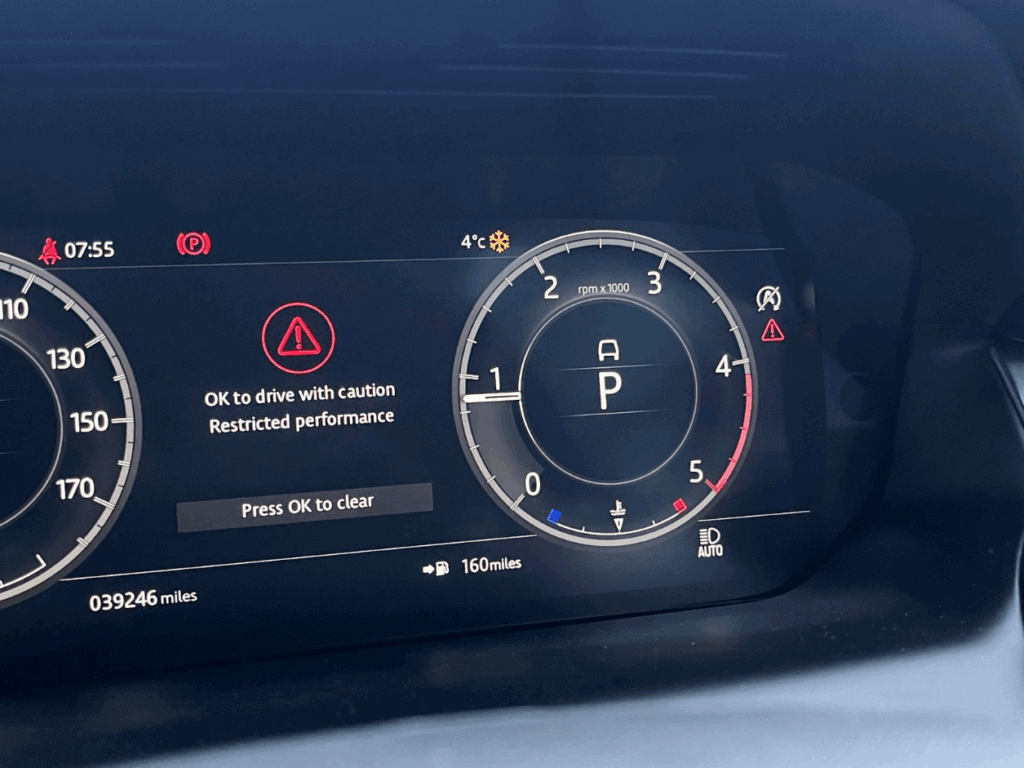


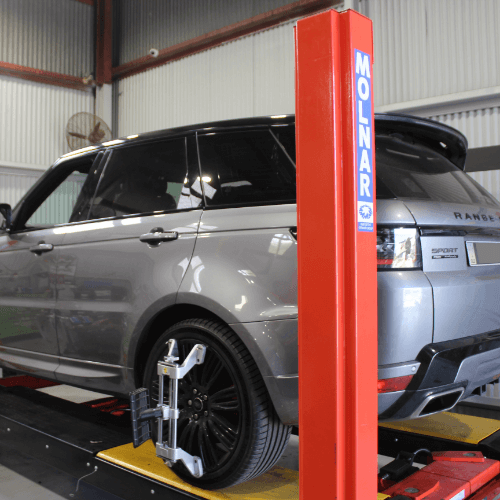
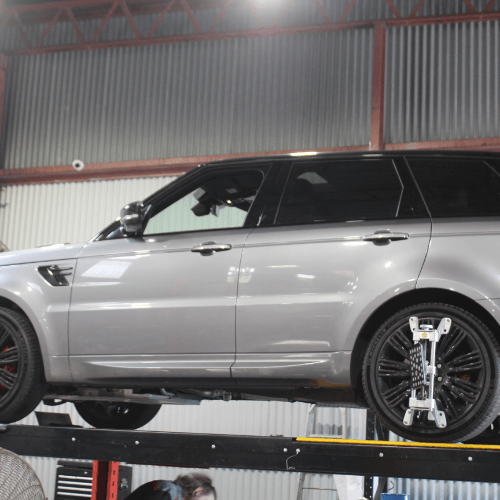
Diagnostic testing involves connecting specialist equipment to your Range Rover to read fault codes, system data, and live operating information. This data helps determine whether a fault is mechanical, electrical, software related, or the result of another system operating outside normal parameters.
Fault codes are interpreted in context, not in isolation. This helps avoid unnecessary part replacement and repeat visits for the same issue.


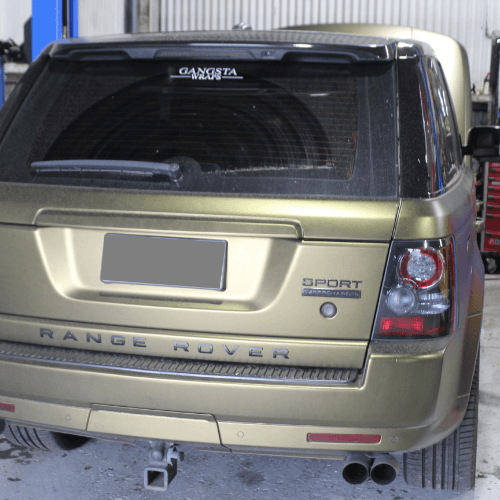
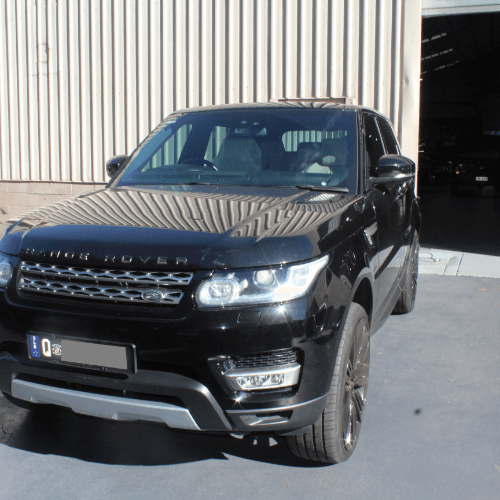


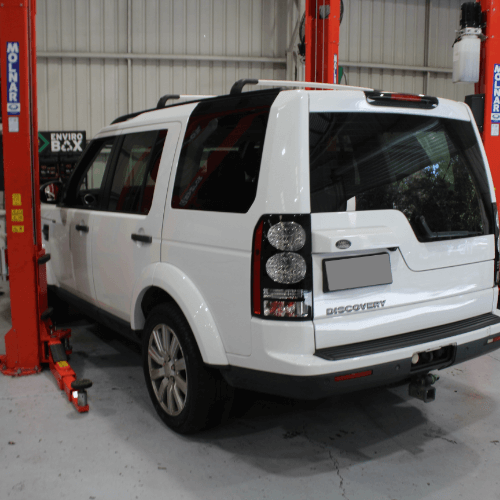
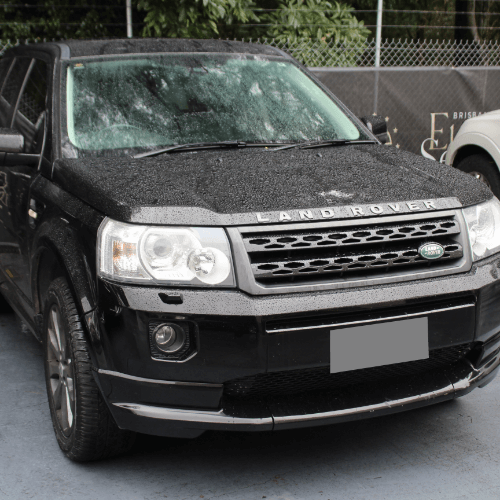
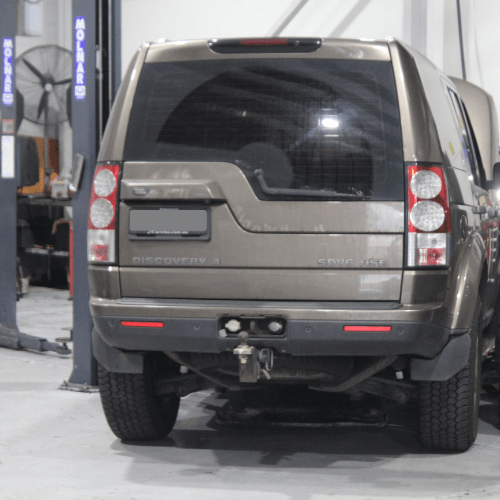
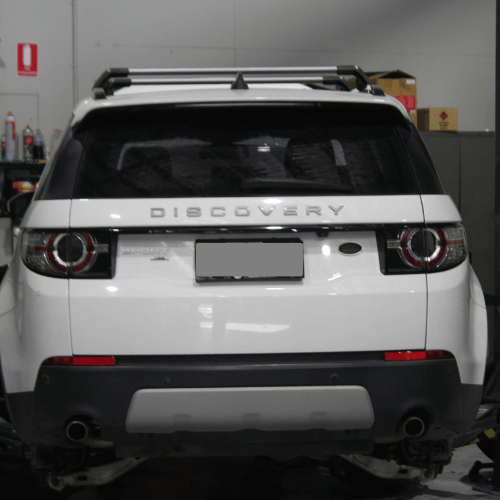
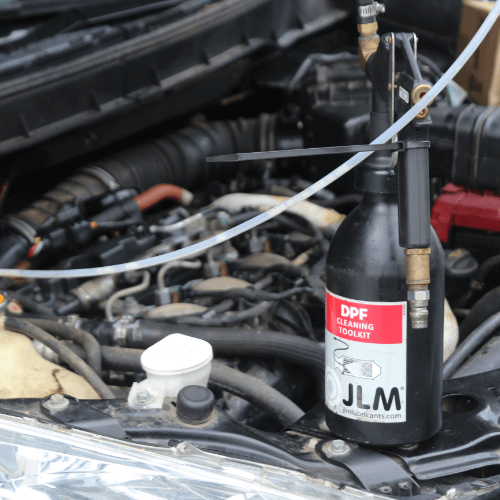
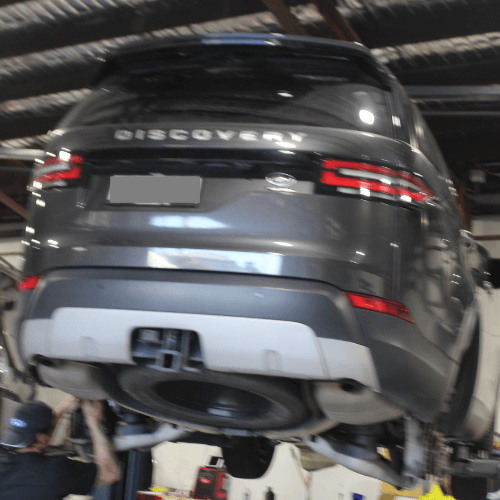

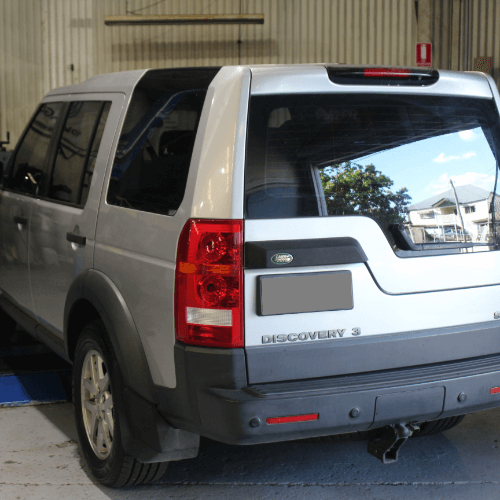
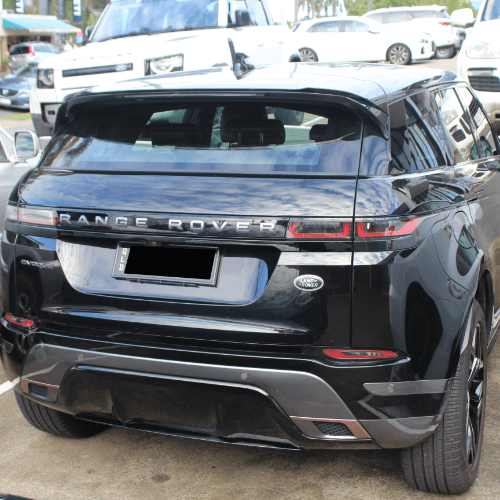
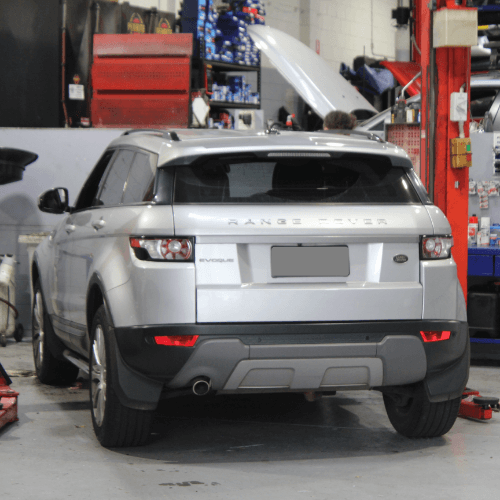
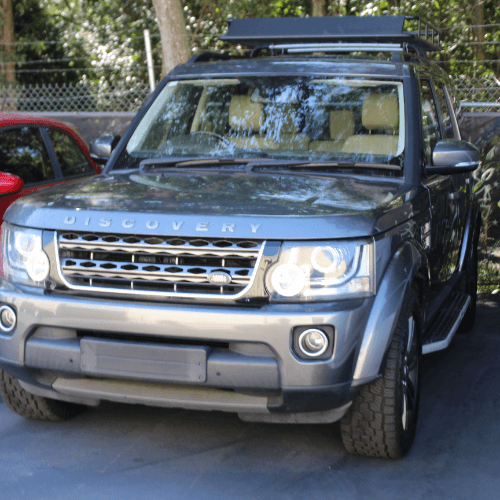
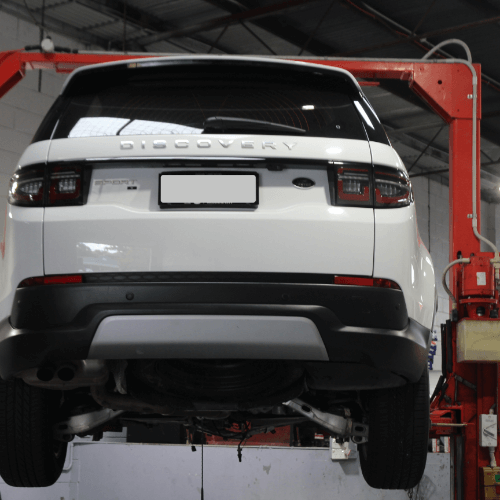
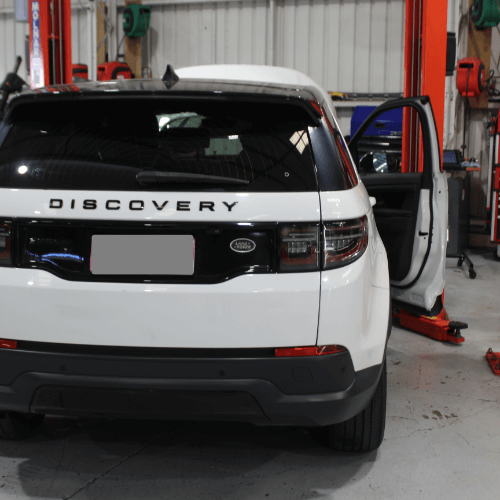

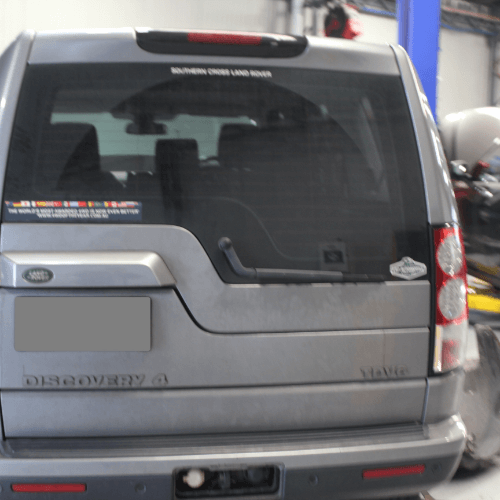
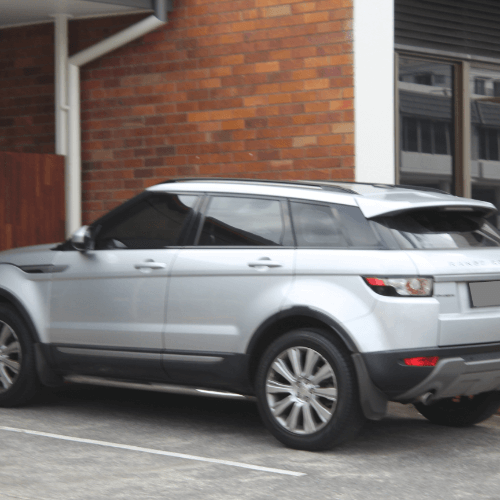
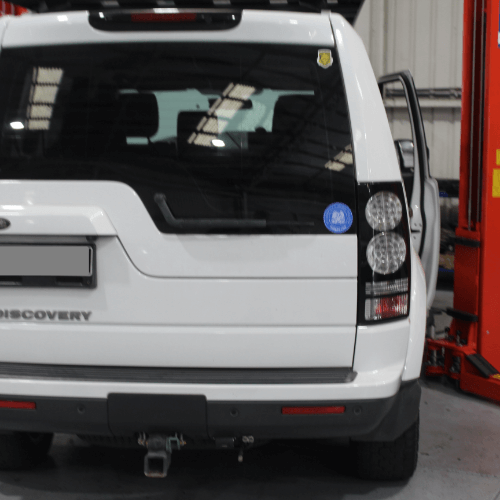

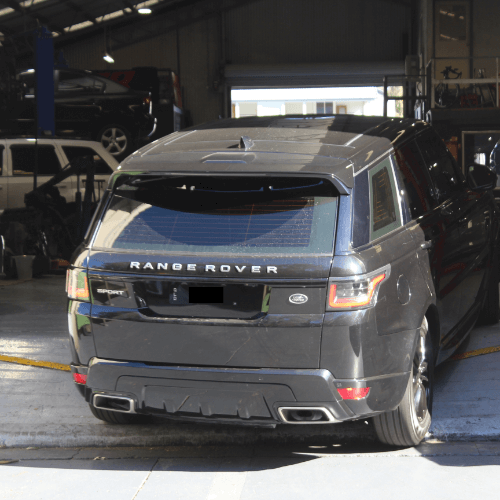
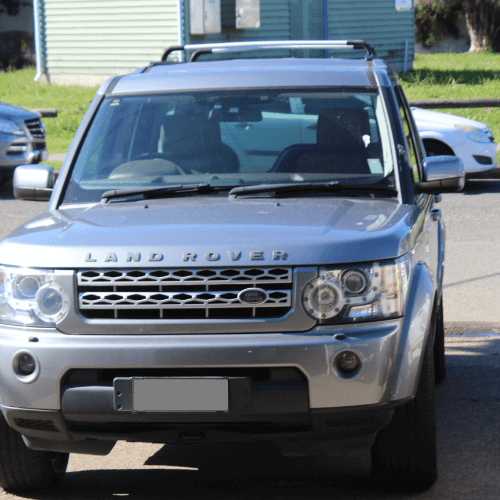

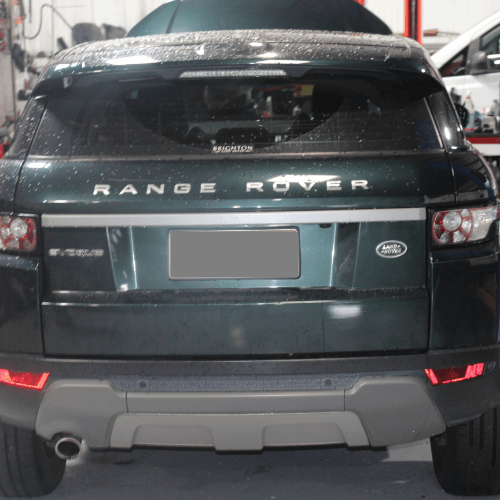

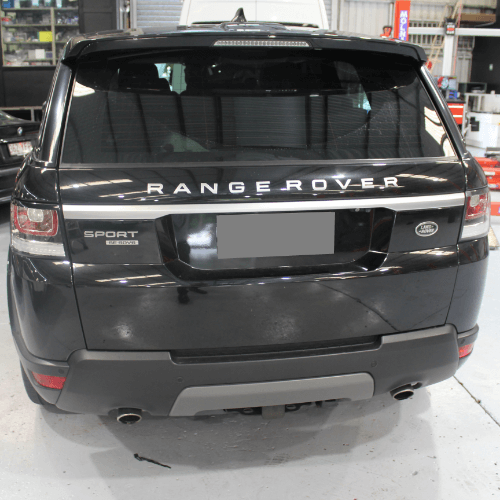
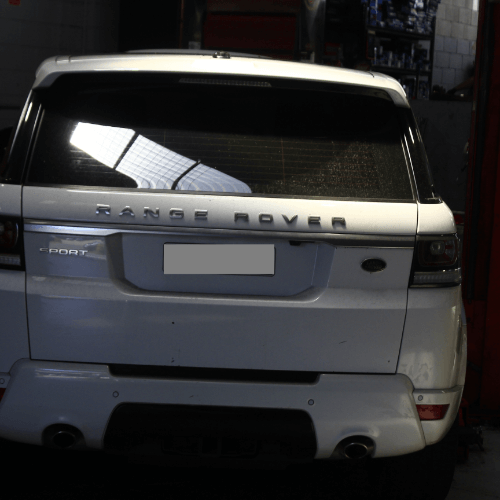
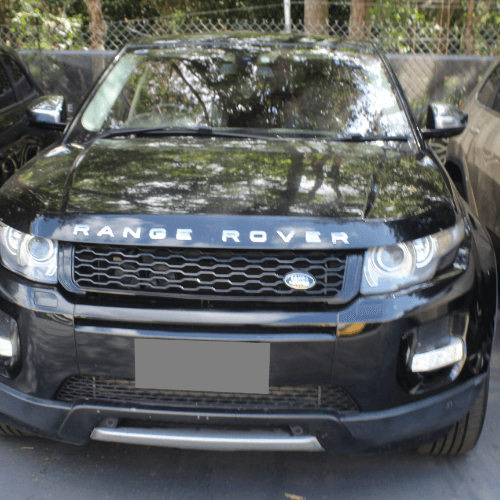


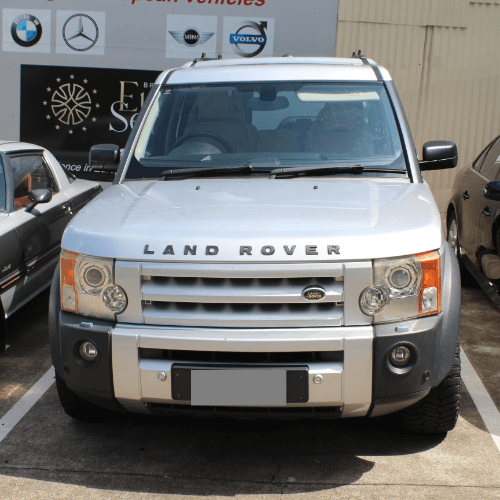
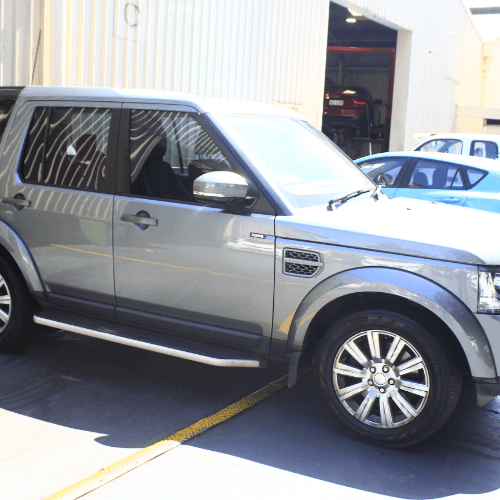


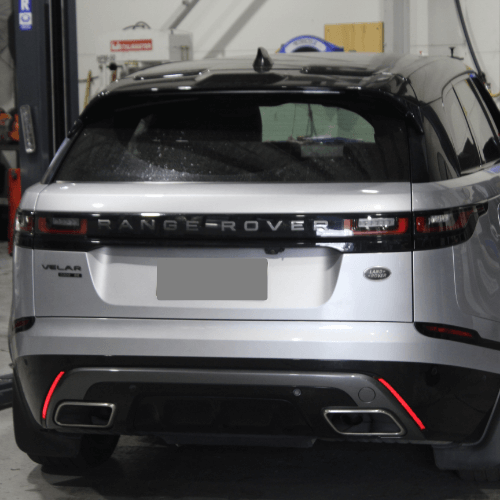
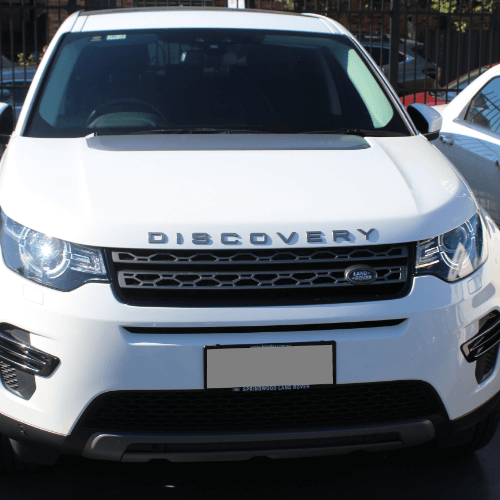
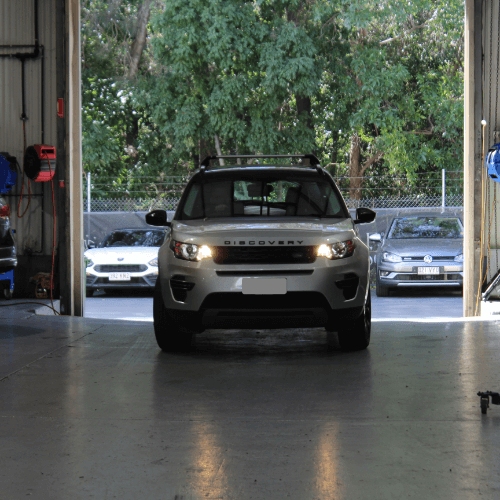
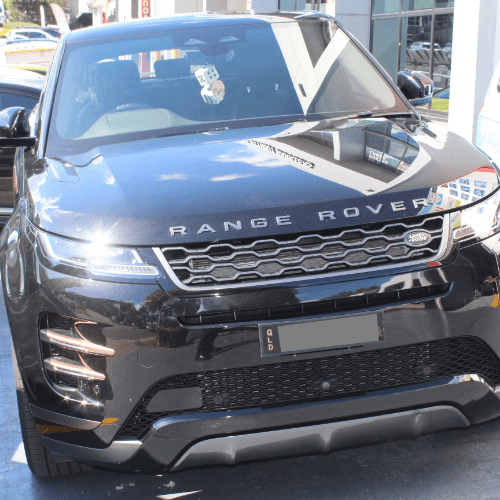
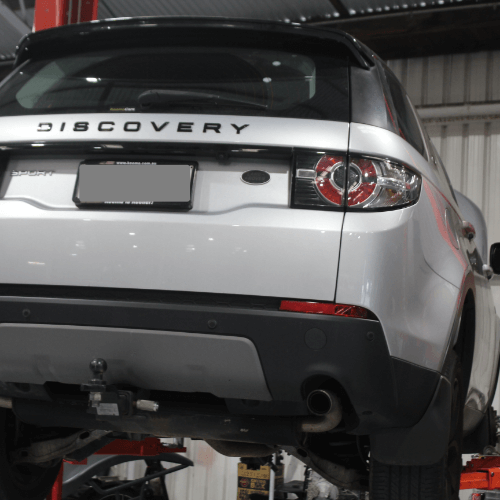
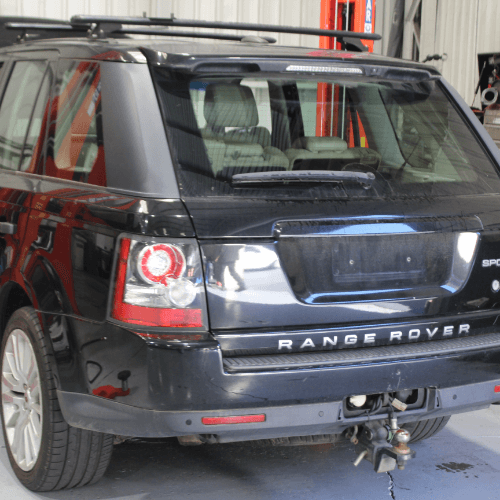
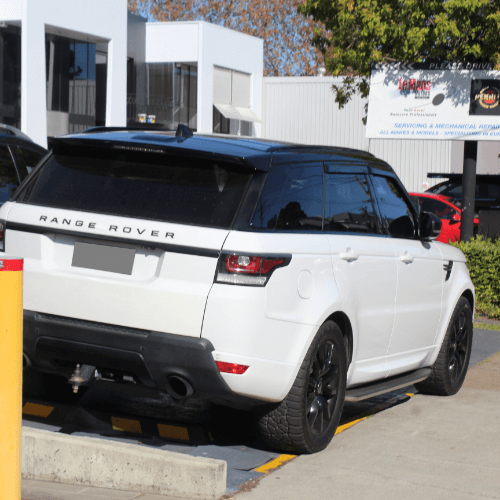
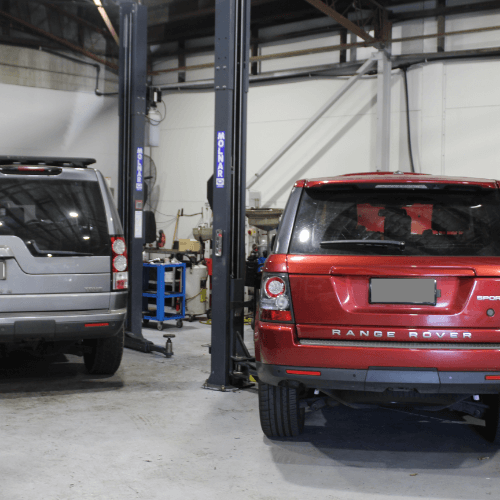

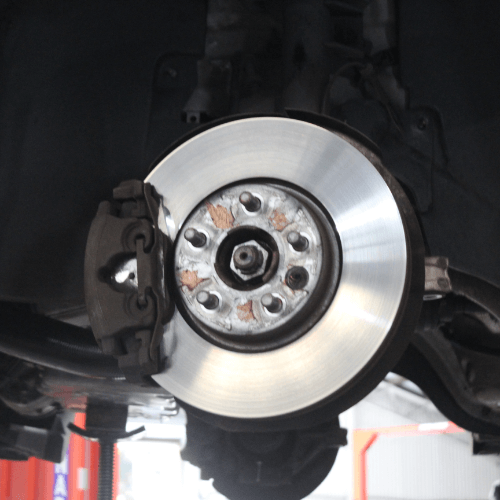
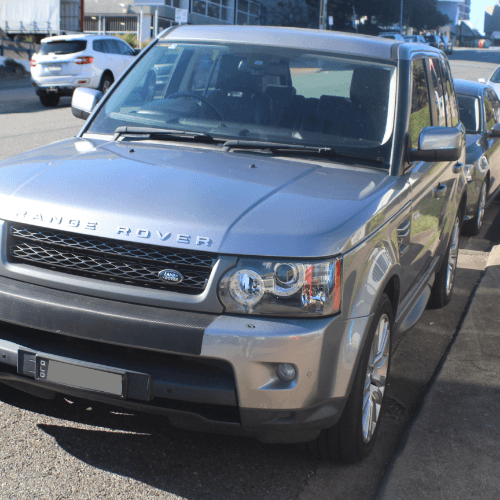
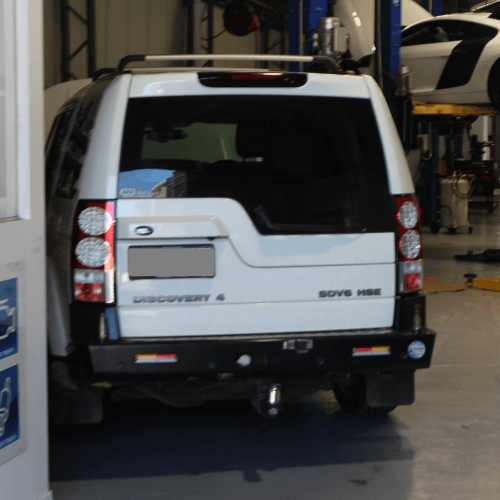

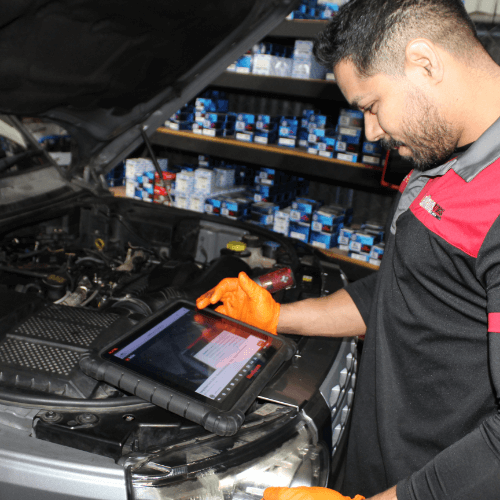
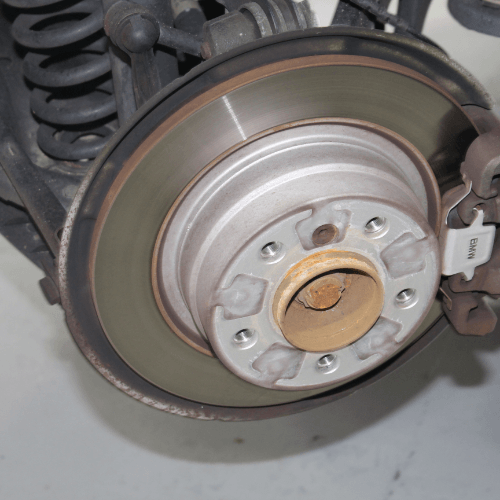

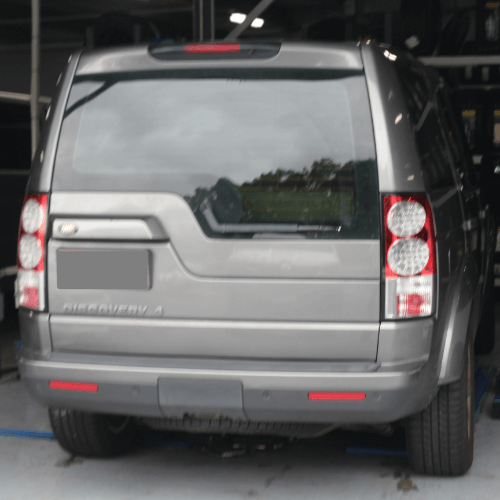
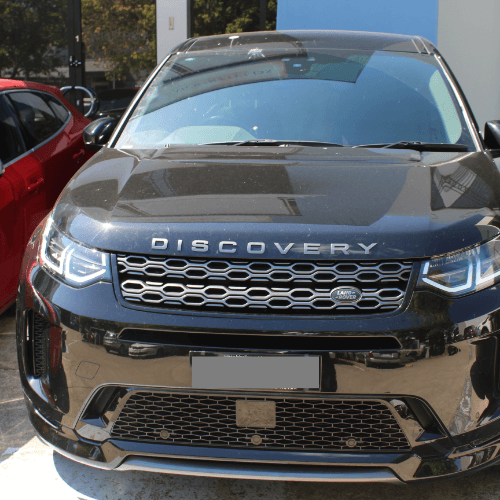
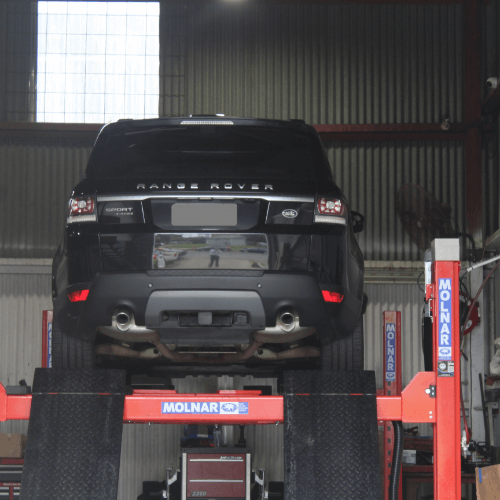
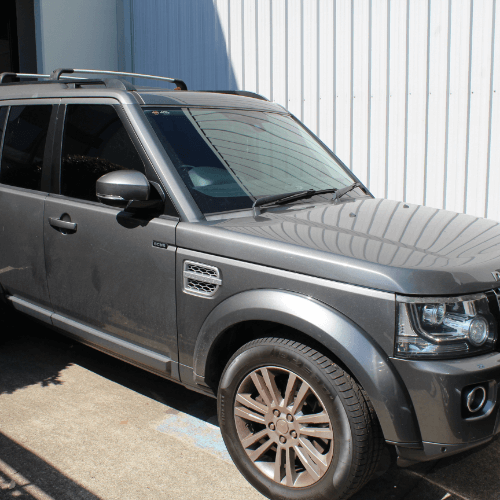
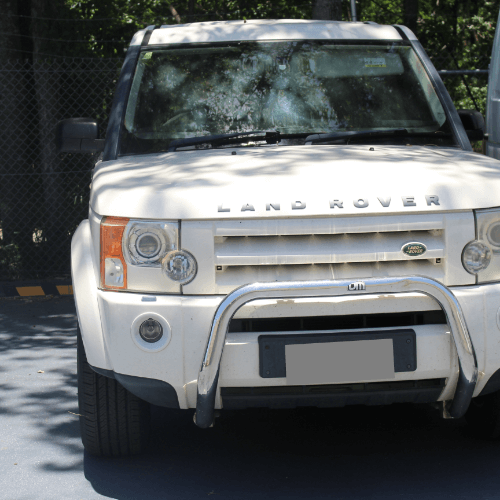
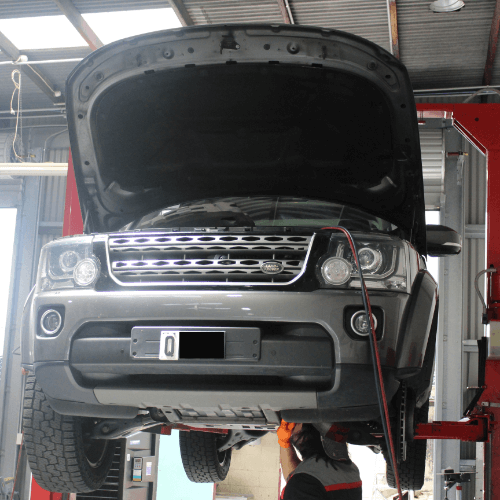
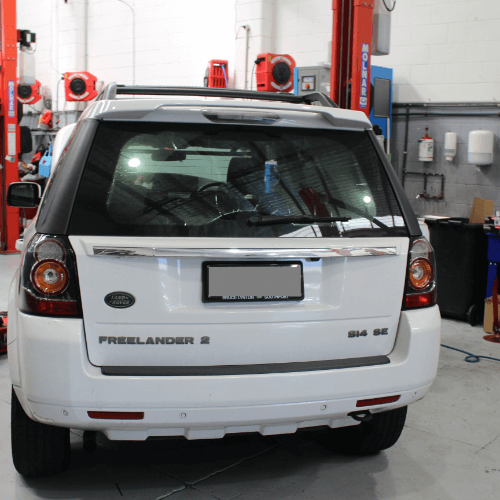
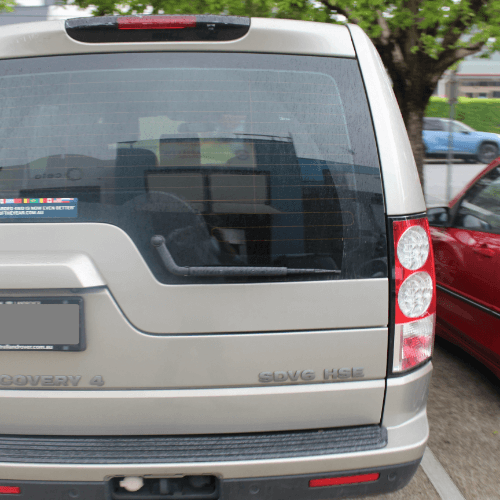
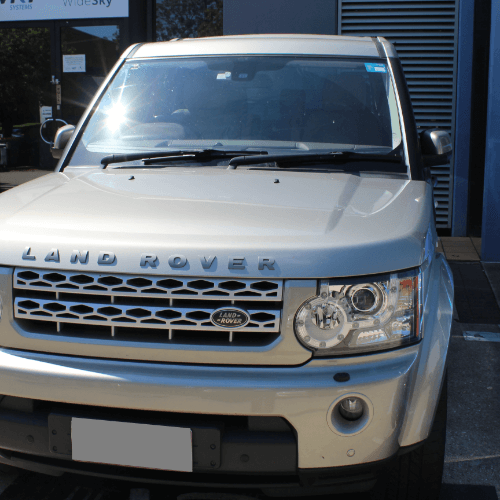
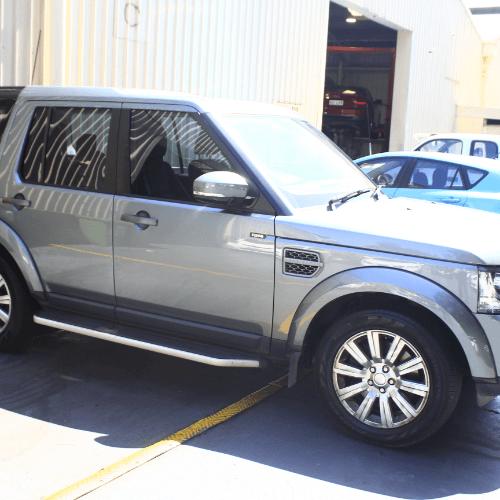
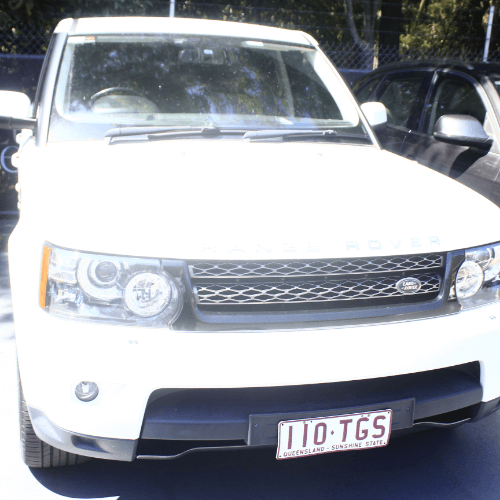
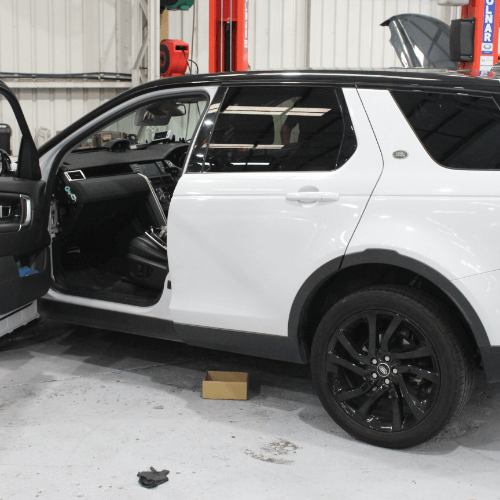
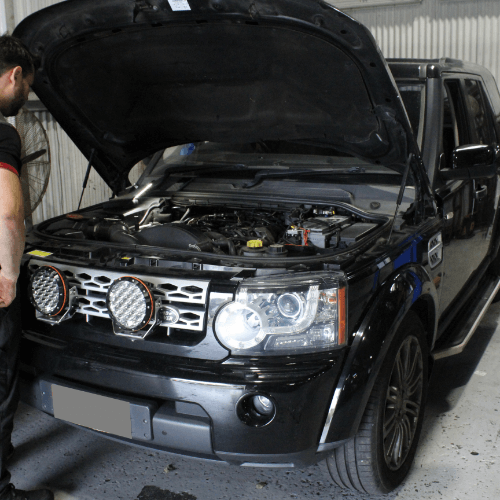
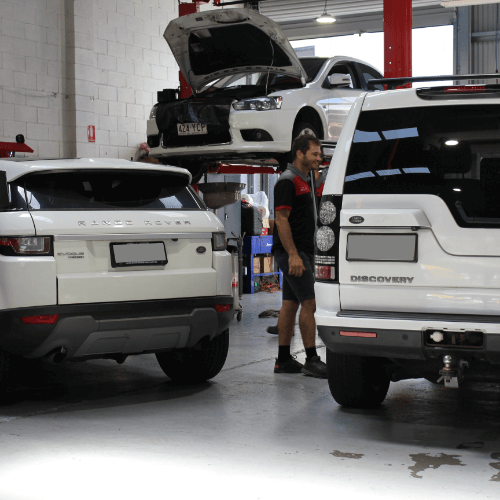
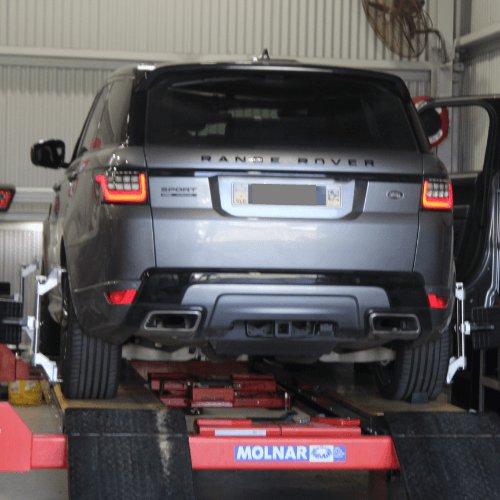
Diagnostics are commonly required when warning lights appear, fault messages are displayed, or the vehicle behaviour changes unexpectedly. Owners may notice reduced performance, suspension warnings, intermittent electrical issues, or systems no longer functioning correctly.
Diagnostics are also useful when issues are intermittent or difficult to reproduce, as stored data can reveal patterns that are not always obvious during a short test drive.


Dashboard warnings are designed to alert the driver when a system requires attention. Some warnings relate to emissions or performance, while others affect safety or driveability.
Diagnostic testing helps determine the severity of a warning and whether the vehicle can continue to be driven safely or should be inspected promptly.
Many Range Rover systems that affect ride quality and safety are electronically monitored. Air suspension faults, electronic parking brake issues, and stability control warnings often require diagnostics before physical inspection begins.
Understanding whether a fault relates to sensors, control modules, or mechanical components helps ensure repairs are targeted correctly. You can also explore related systems on our Range Rover suspension repairs Brisbane and Range Rover brakes Brisbane pages.
Range Rover diagnostics may involve investigating wiring integrity, sensor signals, software updates, and communication between control units. Not all faults involve failed components. Some issues relate to calibration, data errors, or software inconsistencies.
A methodical diagnostic process helps separate genuine failures from secondary or historical faults.
One of the main benefits of diagnostic testing is clarity. Understanding what is actually causing a fault allows informed decisions about repairs, timing, and cost.
This approach helps avoid unnecessary work and ensures repairs address the root cause rather than the result of another issue.
Diagnostic costs depend on the nature of the issue and the time required to trace it accurately. Straightforward scans are quicker, while complex or intermittent faults may require additional testing.
Clear recommendations are provided once the diagnostic scope is understood, so you know what is involved before proceeding.

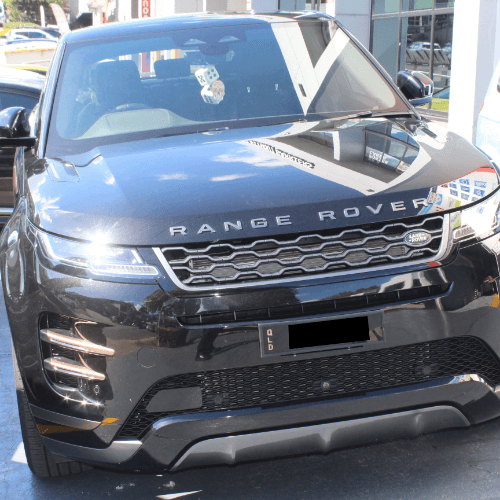
We carry out diagnostic testing across the Range Rover lineup, including Range Rover Sport, Evoque, Velar, Vogue, and other variants sold in Australia.
These questions address common concerns Range Rover owners have when warning lights or fault messages appear. Diagnostic testing can feel unclear at first, so understanding what is involved and how results are used helps you make informed decisions before any repairs are carried out.
Yes. Diagnostics focus on identifying the cause of a fault before any repairs are recommended.
Warning lights can be cleared, but only after the underlying issue is identified and addressed where required.
Not always. Some faults are minor, but diagnostics help determine whether action is needed.
No. Diagnostics guide inspections and repairs, but physical checks are often required to confirm findings.
If your Range Rover feels unsettled over bumps, sits unevenly, or is showing suspension related warnings, it may be time for a professional inspection. A thorough suspension check can identify worn or failing components early and help return the vehicle to the smooth, controlled driving experience it was designed to deliver.