

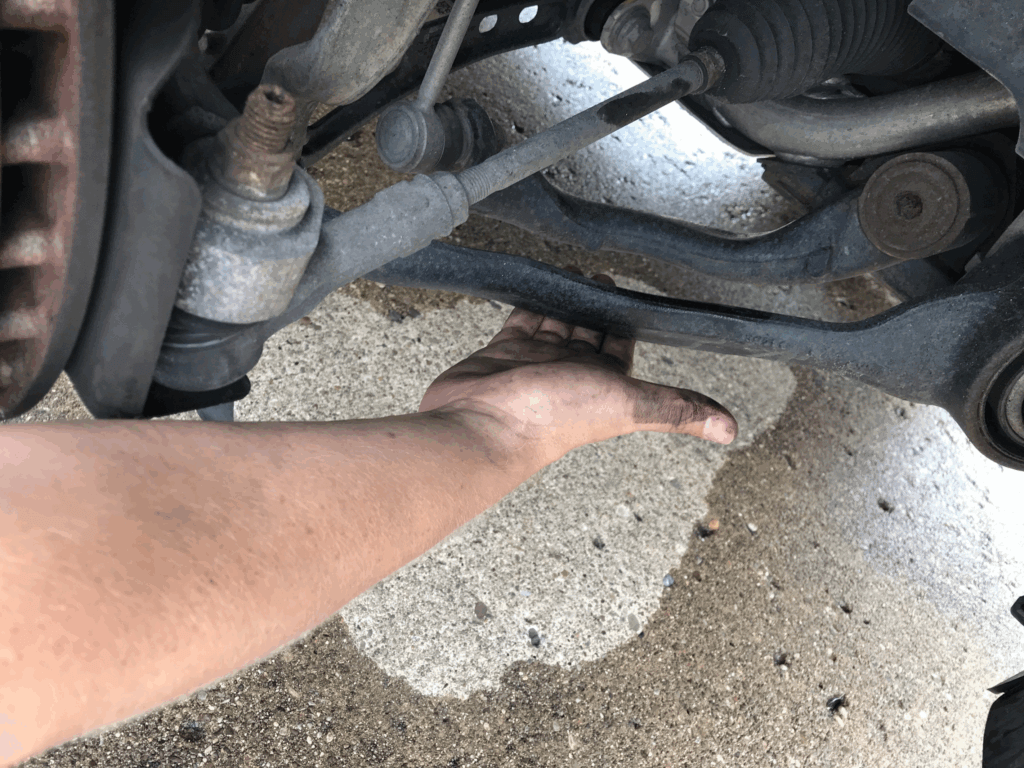
Unusual suspension noises are one of the earliest signs that something is wearing or no longer operating as it should. On a Land Rover, these sounds are often subtle at first and easy to dismiss, but they usually point to components that are under load every time you drive.
Understanding what different suspension noises mean can help you decide when an inspection is needed and avoid minor issues turning into larger repairs on your Land Rover.
Knocking or clunking over bumps
A knocking or clunking noise when driving over speed bumps, potholes, or rough roads is one of the most common suspension complaints.
This type of noise is often caused by worn suspension bushes, control arms, or ball joints. As rubber bushes age, they lose their ability to absorb movement, allowing metal components to move against each other under load. The result is a dull knock that is most noticeable at low speeds.
Left unattended, this wear can affect steering stability and tyre wear.
Creaking or groaning at low speeds
Creaking or groaning noises when pulling into driveways, turning at low speed, or driving over uneven surfaces are usually linked to dry or deteriorated suspension bushes.
These noises are often more noticeable in warmer weather, as rubber components expand and flex more. While creaking may not feel urgent at first, it is usually a sign that suspension components are no longer moving smoothly.
Over time, this can lead to harsher ride quality and increased stress on surrounding parts.
Squeaking while driving
A persistent squeak coming from the suspension area can indicate early bush wear, sway bar link issues, or components that are beginning to loosen.
Squeaking is sometimes confused with brake noise, but suspension related squeaks often occur even when you are not braking. An inspection can help identify whether the noise is coming from suspension hardware rather than braking components.
Rattling noises on rough roads
Rattling sounds that appear mainly on uneven or corrugated roads often point to loose suspension components or worn links.
On Land Rovers, this can include sway bar links, mounting points, or suspension hardware that has loosened over time. While rattles may seem harmless, they usually indicate movement where there should be none.
Ignoring these noises can allow wear to accelerate, potentially leading to more extensive repairs.
Thumping or banging when braking or accelerating
If you hear a thump or bang when braking firmly or accelerating away from a stop, worn suspension bushes or control arm mounts are often the cause.
These components help control wheel movement under load. When they wear, the suspension can shift slightly during weight transfer, producing a noticeable noise and sometimes a vague or unstable feeling through the steering.
This type of noise should be checked promptly, as it can affect braking stability.
Hissing noises from air suspension systems
On Land Rover models fitted with air suspension, a hissing sound may indicate an air leak. This can come from air struts, air lines, or fittings within the suspension system.
Hissing noises are often more noticeable when the vehicle is adjusting ride height or shortly after parking. If left unchecked, air leaks can cause the vehicle to sit unevenly or place extra strain on the compressor.
Clicking or tapping noises when turning
Clicking or tapping sounds when turning the steering wheel can sometimes be linked to suspension joints or mounts rather than steering components alone.
These noises may be caused by worn ball joints or suspension mounts that are under load during steering movement. Early inspection can help isolate the source before further wear occurs.
When suspension noises should not be ignored
Any noise that becomes more frequent, louder, or is accompanied by changes in ride comfort, handling, or tyre wear should be inspected. Suspension components work together, and wear in one area often places additional strain on others.
Catching suspension issues early usually reduces repair costs and helps maintain safe, predictable handling.
How suspension inspections help
A proper suspension inspection involves checking bushes, joints, control arms, air suspension components where fitted, and how the suspension behaves under load. Identifying the cause of a noise early helps prevent secondary damage and restores ride quality.
Suspension condition also affects braking performance and stability. If you want to learn more about how suspension and braking systems interact, you can also read our Land Rover brakes Brisbane page.
The takeaway for Land Rover owners
Suspension noises are rarely random. Knocks, creaks, rattles, and hissing sounds all provide clues about what is happening beneath the vehicle. Paying attention to these noises and having them checked early helps keep your Land Rover comfortable, stable, and safe to drive.
If a noise does not sound normal, it usually is not.